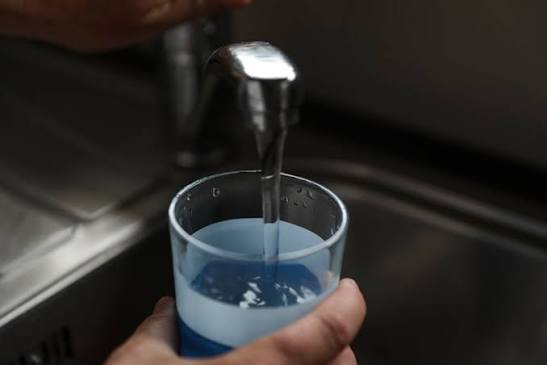
There’s something reassuring about filling a glass straight from the kitchen tap. It’s quick, familiar, and part of the rhythm of everyday life. But when the water suddenly smells like a swimming pool, tastes slightly metallic, or looks cloudy in the glass, that simple routine can become a source of doubt. You might wonder whether the water is safe, whether your plumbing is causing the problem, or whether a filter would make a difference.
The answer depends on what is actually happening in your water. Taste, odor, and appearance can be influenced by several factors, and each one may call for a different response. Rather than rushing to buy a filtration system, it helps to understand the possible causes and choose a solution based on reliable information.
Start With What You Notice
Small changes can tell you when it’s time to investigate. Perhaps your morning tea has an unusual aftertaste, water from one faucet smells different from water elsewhere in the house, or a glass looks cloudy immediately after filling. Pay attention to when the issue occurs and whether it affects every tap or just one.
A chlorine-like smell can sometimes come from disinfectants used in municipal water treatment. A metallic taste may be associated with plumbing materials or naturally occurring substances, while cloudy water can have several explanations, including tiny air bubbles or suspended particles. These are possibilities, not diagnoses. Taste and appearance alone cannot establish whether water is safe to drink.
If the change is sudden or unusually strong, contact your water supplier or a qualified plumbing professional for guidance. If you rely on a private well, appropriate testing may be needed to investigate the source. A filter designed to improve taste shouldn’t be used as a substitute for finding out what caused an unexplained change.
Why Water Can Develop an Unpleasant Taste or Smell
Water travels through treatment facilities, distribution pipes, household plumbing, and sometimes storage tanks before reaching your glass. Each part of that journey can influence its characteristics. Even when a supply meets applicable standards, some people may notice tastes or odors they find unpleasant.
Chlorine is a common example. It is used in many municipal systems to help control harmful microorganisms, but its distinctive smell can be noticeable at certain concentrations. Other concerns may involve minerals, organic compounds, plumbing conditions, or changes in the source water.
For households looking to improve water taste and odor, activated carbon filtration is one option worth considering. Carbon has a porous surface that can adsorb certain substances as water passes through it. Depending on the product’s design and certification, it may reduce chlorine taste, some odors, and selected organic compounds.
The important detail is that not every carbon filter performs the same way. Check the manufacturer’s specifications and independent certifications to see which substances the model is designed to reduce. If the water has an unfamiliar chemical smell or a sudden, persistent change, investigate the cause before relying on a taste-focused filter.
Understanding Chlorine and Filtration
Chlorine often gets blamed whenever tap water has an unusual flavor. In reality, its presence in a treated municipal supply can be intentional. Disinfection helps protect water as it travels through the distribution network, so removing chlorine without understanding the wider water-quality situation isn’t always the right first step.
If testing or reliable information indicates that chlorine taste is the main concern, a suitable activated carbon filter may help reduce chlorine taste. These filters are available in pitchers, faucet-mounted units, under-sink systems, and whole-house configurations. The best option depends on whether you want to treat drinking water at one tap or address a concern throughout the property.
Capacity and maintenance matter more than a long list of features on the packaging. A cartridge that has reached the end of its service life may no longer deliver the expected performance. Follow the manufacturer’s replacement schedule and check whether replacement filters are readily available.
It’s also worth remembering that carbon filtration does not remove every contaminant. If you’re concerned about bacteria, lead, nitrates, or other health-related substances, choose an appropriate test and treatment method. A general-purpose carbon cartridge shouldn’t be assumed to make any water supply safe.
What If Your Water Looks Cloudy?
Cloudy water can be unsettling, especially when you’re used to seeing it run clear. Sometimes the cause is harmless: tiny air bubbles can make freshly drawn water look milky before clearing as the bubbles rise. In other situations, sediment, plumbing work, or changes in the supply may be involved.
Observe what happens after filling a clean glass. If the cloudiness clears from the bottom upward within a short time, trapped air may be responsible. If particles settle at the bottom, or the water remains discolored, further investigation may be appropriate. These observations can offer clues, but they aren’t a substitute for testing when contamination is possible.
A suitable sediment filter can capture particles such as sand or rust, depending on its design and rating. In the right circumstances, this can improve water clarity and help protect downstream equipment. However, sediment filtration does not necessarily remove dissolved chemicals or microorganisms. Selecting a filter based on the actual problem is essential.
If cloudy or discolored water appears suddenly across multiple taps, contact your water provider for advice. If the issue occurs only at one fixture, a plumber may need to examine the local plumbing or aerator.
Choosing a Filtration System That Fits Your Home
There’s no single filtration system that works best for every property. A pitcher filter may be convenient for a small household, while an under-sink unit can provide filtered water for regular drinking and cooking. Whole-house systems treat water as it enters the property, but they need to be selected according to the substances being targeted and the home’s flow requirements.
Before buying equipment, review available water-quality reports and arrange testing when necessary. Ask what the proposed system is designed to reduce, what evidence supports its performance claims, and how often its filters need replacement. Consider installation costs, maintenance, water use, and the availability of spare parts.
A more complicated system isn’t automatically a better choice. If a simple, certified filter addresses the specific taste issue, additional treatment stages may offer little benefit. On the other hand, test results identifying a particular contaminant may require more specialized equipment.
Keep the Results Consistent
Filtration works best when the system is maintained properly. Replace cartridges on schedule, follow flushing instructions, and watch for changes in flow or taste. Keep records of maintenance dates and water-test results so you can recognize patterns over time.
If your water source changes, plumbing is repaired, or an unusual taste, smell, or color returns, reassess the situation rather than assuming the filter has failed. The cause may be different from the original problem.
Better Water Begins With Better Information
Unpleasant tap water doesn’t always mean something serious is wrong, but it’s worth understanding what you’re noticing. Start with the water source, look for patterns, and use appropriate testing when the cause isn’t clear. Then choose a treatment method that addresses the identified concern.
A well-chosen filter can make everyday drinking water more pleasant, but it should be part of an informed approach rather than a guess. When you understand what your water needs—and what a system can realistically do—you can make a practical choice that suits your home and your routine.