Water plays a bigger role in business operations than most people realize. It’s used for drinking, cleaning, food preparation, manufacturing, cooling equipment, washing floors, maintaining facilities, and keeping employees and customers comfortable.
When the water supply causes problems, those problems can quickly become business problems. Mineral deposits can affect equipment. Unpleasant odors can make a workplace less inviting. Sediment may interfere with certain processes, while poor-tasting water can lead employees to avoid using the office drinking station.
That’s why commercial water treatment deserves a practical, thoughtful approach. The goal isn’t simply to install equipment. It’s to understand the water, the facility, and the work being done—and then build a solution around those needs.
Why Businesses Need to Think Differently About Water
A residential property might have a few bathrooms, a kitchen, and several water-using appliances. A commercial facility can be much more complicated.
Restaurants, hotels, offices, healthcare facilities, schools, manufacturing plants, and retail properties all use water differently.
This is where business water solutions become useful. Instead of relying on a one-size-fits-all product, businesses can evaluate their water source, usage patterns, equipment, and operational requirements before deciding what kind of treatment is appropriate.
It’s a bit like choosing business software. You wouldn’t automatically give a small café the same system used by a large warehouse. Water treatment works much the same way.
Start With Water Testing
Before choosing treatment equipment, test the water.
Testing can provide information about hardness, pH, chlorine, iron, sediment, total dissolved solids, and other characteristics depending on the analysis.
For businesses using private wells, regular testing can be particularly important because groundwater conditions may change. Municipal supplies are treated and monitored, but the water can still interact with building plumbing and equipment after entering the property.
Knowing what’s actually in the water makes it easier to choose an appropriate treatment method.
It also helps prevent a common mistake: purchasing expensive equipment that doesn’t solve the real problem.
Hard Water Can Affect Commercial Equipment
Hard water contains dissolved calcium and magnesium. While these minerals aren’t automatically a health concern, they can cause scale buildup.
In a commercial environment, that can become more than a minor annoyance.
Water heaters, dishwashers, boilers, coffee machines, laundry equipment, and other water-using systems may be affected by mineral deposits. Over time, scale can interfere with efficiency and increase cleaning or maintenance requirements.
If a business relies heavily on hot water, controlling hardness may be especially worth considering.
The right solution depends on the hardness level, water usage, equipment, and facility requirements.
Commercial Filtration Has a Specific Job
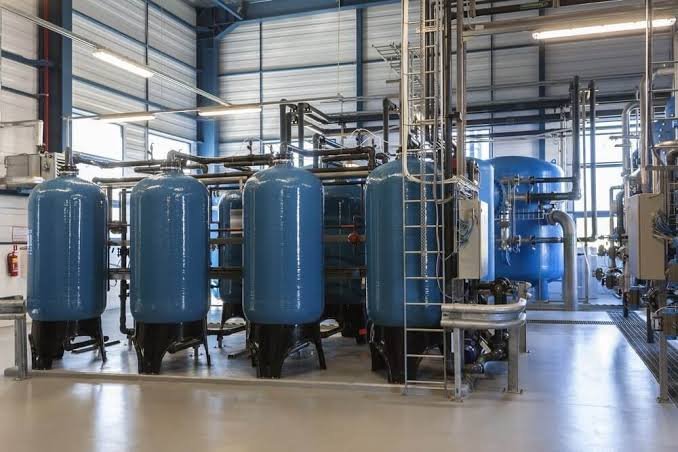
When a facility needs to address sediment, chlorine taste and odor, or other treatable water characteristics, commercial water filtration may be part of the answer.
Commercial filtration systems come in many configurations. Some use sediment filtration to capture particles, while activated carbon can be used for certain taste, odor, and chlorine concerns.
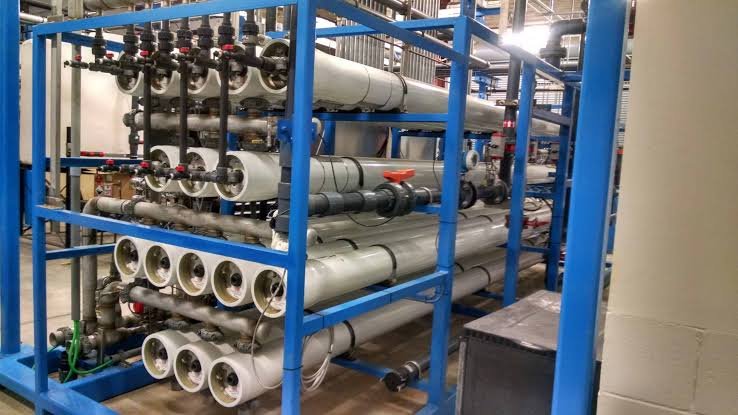
More specialized filtration may be appropriate when testing identifies a particular contaminant.
The important thing is to understand what the filter is designed to do. A sediment filter isn’t a replacement for a softener, and a carbon filter isn’t automatically designed to reduce every dissolved substance.
Good filtration is targeted filtration.
Think About Water Demand
Commercial water demand can vary dramatically throughout the day.
A restaurant may experience a huge increase in water use during lunch and dinner service. A hotel has constantly changing occupancy. A manufacturing facility may require a steady supply for production processes.
This makes proper sizing important.
A treatment system needs to accommodate both average usage and periods of high demand. Flow rate, peak consumption, incoming water pressure, and equipment requirements should all be considered.
Installing a system that’s too small can create performance issues. Installing one that’s unnecessarily large may increase costs without providing additional value.
Different Industries Have Different Priorities
There isn’t one universal commercial water strategy.
A restaurant may focus heavily on water taste, food preparation, dishwashing, and protecting kitchen equipment. A hotel may care about guest experience, laundry, showers, and plumbing maintenance.
An office might primarily want better-tasting drinking water and reduced scale around fixtures. A manufacturing facility may have much more specialized requirements.
That is why treatment systems should be selected according to the facility rather than simply based on what another business happens to use.
The water problem may look similar on the surface, but the operational consequences can be very different.
Protecting Water-Using Equipment
Commercial equipment can represent a significant investment. Protecting it is therefore an important consideration when planning water treatment.
Hardness, sediment, and other water characteristics can contribute to maintenance problems in certain equipment. Treatment can help manage specific issues, but it should never be viewed as a substitute for routine servicing.
Keep equipment clean. Follow manufacturer maintenance schedules. Replace filters and treatment media when required.
Water treatment and equipment maintenance work best together.
Don’t Forget About Employee and Customer Experience
Water quality isn’t always about machinery.
In offices, schools, hotels, restaurants, and other customer-facing environments, drinking water can influence people’s everyday experience.
If water tastes unpleasant or has a noticeable odor, people may avoid it. In a workplace, that can mean employees rely more heavily on bottled beverages. In hospitality settings, even small details can influence how comfortable guests feel.
A reliable drinking-water system can be a simple way to improve convenience without making the issue complicated.
Maintenance Is Part of the Investment
Commercial water treatment equipment requires ongoing attention.
Filters need replacement. Softening equipment may need salt or servicing. Specialized treatment media eventually becomes exhausted.
Because commercial operations are busy, maintenance can easily be forgotten.
A scheduled maintenance plan helps. Keep records of filter changes, service visits, testing results, and equipment inspections. Assign responsibility so everyone knows who is keeping an eye on the system.
A treatment system that isn’t maintained properly won’t deliver the value you expected.
Consider the Long-Term Cost
When comparing commercial water treatment options, don’t look only at the initial purchase price.
Consider installation, replacement filters, service, energy or water usage, downtime, and equipment lifespan.
A cheaper system that requires frequent attention may cost more over time than a well-designed system with predictable maintenance.
On the other hand, buying an unnecessarily complex system can also waste money.
The goal is balance: effective treatment, reasonable operating costs, and equipment that fits the business.
A Practical Approach to Better Commercial Water
Good commercial water management starts with understanding.
Test the water. Identify the actual problem. Consider how much water the facility uses and when demand is highest. Think about the equipment that depends on that water, and choose treatment technology accordingly.
Most importantly, don’t treat water simply because a product promises to make it “better.” Treat it because you’ve identified a specific need.
A thoughtful approach can help businesses reduce avoidable maintenance, protect equipment, improve everyday water quality, and create a more comfortable environment for employees and customers.
In the end, the best commercial water strategy is usually the one that works quietly in the background. No drama, no unnecessary complexity—just reliable water that supports the business day after day.