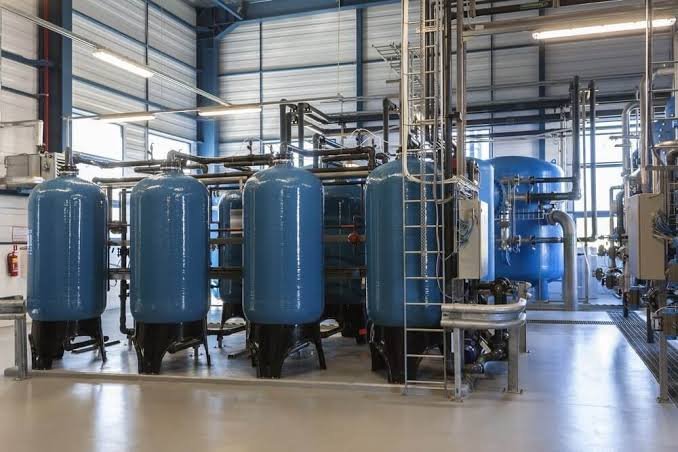
Water Is the Resource Nobody Notices Until It Becomes a Problem
There’s an old saying that the best systems are the ones you never think about. Water fits that description perfectly.
In most businesses, water quietly supports daily operations without drawing attention to itself. Employees wash their hands, coffee machines hum away in break rooms, equipment runs through production cycles, and customers enjoy products and services without giving a second thought to what’s happening behind the scenes.
Then something changes.
Maybe glasses come out cloudy in a restaurant. Perhaps equipment starts requiring more maintenance than usual. Sometimes it’s an unusual taste, a strange odor, or mineral buildup that seems to appear overnight.
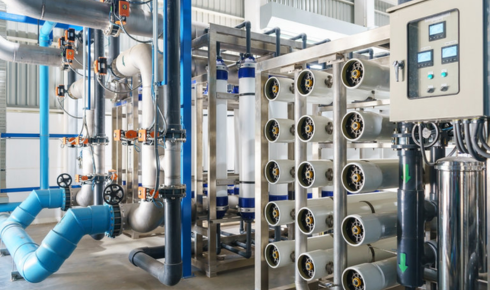
When those issues arise, business owners quickly realize that water quality affects far more than what comes out of a faucet.
It touches efficiency, customer satisfaction, operational costs, and even brand reputation.
Every Industry Depends on Water in Different Ways
The role of water varies dramatically from one business to another.
A hotel relies on it to create comfortable guest experiences. A restaurant depends on it for food preparation and beverage quality. Manufacturing facilities often incorporate water directly into production processes. Healthcare environments require consistency and reliability to support essential services.
Yet despite these differences, one common truth remains.
Poor water quality can create challenges regardless of industry.
The impact may look different from one organization to another, but the consequences often include increased maintenance, equipment wear, higher operating costs, and avoidable disruptions.
For businesses trying to stay competitive, those challenges can add up surprisingly fast.
Small Water Issues Can Create Bigger Operational Problems
One of the tricky things about water quality is that problems tend to develop gradually.
Mineral deposits don’t appear all at once. Equipment efficiency doesn’t suddenly drop overnight. Instead, the effects build slowly over time, making them easy to overlook.
Employees adapt. Managers focus on more urgent concerns. Maintenance teams work around recurring issues.
Eventually, what started as a minor inconvenience becomes a noticeable operational challenge.
This gradual progression is one reason why many organizations now view water quality as a preventative maintenance issue rather than simply a utility concern.
The earlier problems are identified, the easier they are usually to address.
Why Filtration Has Become a Business Priority
Businesses today are under constant pressure to improve efficiency while controlling costs. Every operational decision is evaluated through the lens of long-term value.
That’s where commercial water filters often enter the conversation.
Rather than reacting to recurring water-related issues, many organizations are choosing proactive solutions designed to address specific concerns before they affect operations. Whether the goal is reducing sediment, improving taste, minimizing scale buildup, or supporting equipment performance, filtration can play a significant role.
The key is understanding that filtration isn’t just about water itself.
It’s about protecting everything that depends on that water.
And in a commercial setting, that’s often quite a lot.
Customer Experience Starts With Details
Business owners spend enormous amounts of time thinking about customer experience.
They invest in training, facility improvements, branding, and service quality. Yet water often influences customer perceptions in subtle ways that are easy to overlook.
Consider a restaurant guest drinking a glass of water or ordering coffee. Think about a hotel visitor taking a shower or using in-room amenities. These experiences contribute to overall impressions whether customers consciously recognize it or not.
Effective commercial water filtration can help support consistency across these interactions, creating an environment where water-related concerns don’t distract from the experience businesses work so hard to deliver.
Sometimes success comes from eliminating small problems before customers ever notice them.
Technology Has Evolved Significantly
The water treatment industry has changed dramatically over the years.
Modern systems are smarter, more efficient, and more adaptable than many people realize. Businesses now have access to solutions that can be tailored to specific operational requirements rather than relying on generic approaches.
This flexibility matters because every facility is different.
A manufacturing plant may have priorities that differ completely from those of a hospitality business. Healthcare facilities face unique considerations. Office buildings, schools, and retail environments all have their own operational needs.
Technology allows businesses to address those differences more effectively than ever before.
That’s a significant advantage in a world where efficiency and reliability matter more each year.
Looking Beyond Initial Costs
One common mistake organizations make is focusing exclusively on upfront expenses.
While budget considerations are obviously important, the true value of water improvements often becomes visible over time. Reduced maintenance, improved equipment performance, fewer disruptions, and longer equipment lifespan can all contribute to meaningful savings.
This is where properly selected water treatment systems frequently demonstrate their value.
The goal isn’t simply solving today’s problem.
It’s creating consistent performance that supports operations month after month and year after year. Businesses that take this long-term view often find that investments in water quality provide benefits extending far beyond the original purchase decision.
Sometimes the most cost-effective solution is the one that prevents future expenses.
Reliability Creates Operational Confidence
Every business depends on consistency.
Employees need systems that work. Customers expect predictable experiences. Managers want confidence that essential infrastructure will support operations without unnecessary interruptions.
Water quality plays a surprisingly important role in achieving that consistency.
When equipment operates efficiently and water-related issues are minimized, businesses gain valuable peace of mind. Teams spend less time troubleshooting recurring problems and more time focusing on productive work.
That reliability doesn’t always appear on financial reports, but its impact is very real.
Smooth operations create opportunities for growth.
Constant disruptions create obstacles.
The difference often comes down to how well critical systems are managed.
Water Is More Than a Utility
It’s easy to view water as just another monthly expense.
In reality, water supports countless activities that influence customer satisfaction, employee productivity, equipment performance, and overall business success. Its role extends far beyond the utility bill.
Businesses that recognize this connection are increasingly treating water quality as part of their broader operational strategy rather than an afterthought.
That shift reflects a growing understanding that infrastructure matters.
The strongest organizations aren’t built solely on products or services. They’re built on reliable systems that allow those products and services to be delivered consistently.
Final Thoughts
Water may not be the most exciting topic in business management, but its influence is difficult to overstate. From equipment performance and maintenance costs to customer experience and operational efficiency, water quality quietly affects countless aspects of daily operations.
By investing in the right solutions and taking a proactive approach, businesses can reduce avoidable challenges, support long-term performance, and create a stronger foundation for future growth.
At the end of the day, better water isn’t just about filtration. It’s about building a business environment where people, processes, and equipment can perform at their best.