Water is one of those everyday things we barely notice until it starts causing trouble. A glass of water tastes a little different. White spots appear on the shower door. The coffee somehow isn’t quite right anymore. Maybe there’s an odd smell when you turn on the tap first thing in the morning.
These little signs don’t always point to the same problem. Water quality can vary based on the source, local conditions, plumbing, and the minerals or substances naturally present in the supply. That’s why choosing a treatment system simply because it has good reviews isn’t always the smartest move.
The better approach is simple: understand the water first, then choose equipment that addresses what you’ve actually found.
Start With Testing, Not Guesswork
Before investing in equipment, it’s worth finding out what’s in your water.
A water analysis may measure characteristics such as hardness, pH, chlorine, iron, sediment, and other relevant factors. Private well owners may need additional testing because groundwater can change over time.
This information matters because different treatment technologies do different jobs.
Hard water may call for a softener. Chlorine taste and odor are often addressed with carbon filtration. Sediment requires appropriate particulate filtration. Some drinking-water concerns may call for a membrane-based system.
Reputable water treatment services generally begin by understanding the water rather than immediately recommending a particular product.
That makes sense. You wouldn’t replace an entire car engine because the check-engine light came on without finding out what’s wrong first.
Why Water Problems Can Be Easy to Miss
Not every water-quality concern is visible.
Some minerals dissolve completely into water, leaving no obvious clue until they begin forming deposits. Calcium and magnesium, for example, are responsible for hardness and can gradually create scale around fixtures and inside water-heating equipment.
Chlorine may be perfectly familiar to anyone drinking municipal water, but some people notice its taste or smell more than others.
Iron can cause reddish staining. Sediment may make water cloudy or collect inside filters.
The first symptom doesn’t necessarily tell you the whole story. That’s why testing is so useful. It turns a vague complaint into information you can actually work with.
Understanding Reverse Osmosis
When homeowners want highly filtered drinking water, reverse osmosis often enters the conversation.
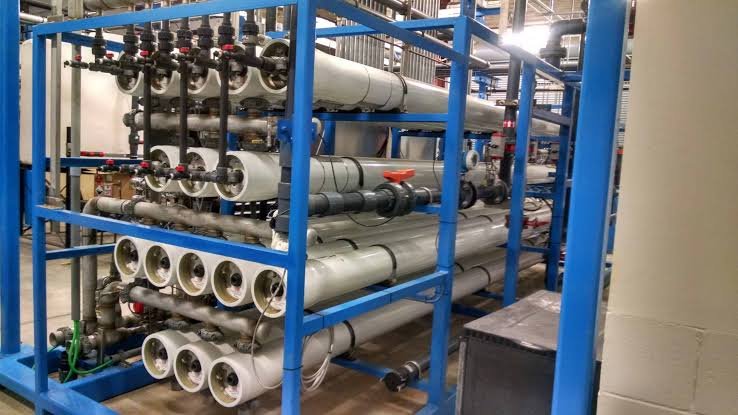
RO systems use a semi-permeable membrane to reduce many dissolved substances from water. They’re commonly installed under the kitchen sink, where they can provide treated water for drinking and cooking without treating every gallon used throughout the house.
That can be a practical solution for households focused primarily on drinking-water quality.
However, reverse osmosis isn’t a cure-all. The system produces a concentrated reject stream, requires filter and membrane maintenance, and may need additional treatment stages depending on the incoming water.
It’s also important to understand that an RO system isn’t necessarily the right answer for hard water throughout the home. If your main issue is scale in showers, appliances, and plumbing, a whole-home softening approach may be more appropriate.
Hard Water Has a Way of Making Itself Known
Hard water is rarely dramatic. Instead, it creates a collection of small annoyances.
You might notice white deposits around faucets, spots on glassware, soap that doesn’t seem to lather properly, or buildup inside the water heater.
These effects are mainly associated with calcium and magnesium.
A traditional water softener can reduce these hardness minerals through ion exchange. When properly sized and maintained, it can help reduce scale throughout the household plumbing.
But softening and filtration aren’t the same thing.
If you’re dealing with chlorine taste, sulfur odors, sediment, or another specific concern, you may need a different treatment technology as well.
When Whole Home Treatment Makes Sense
A drinking-water filter can be excellent at the kitchen sink, but it doesn’t do much for the water flowing through your shower, washing machine, dishwasher, and water heater.
That’s where whole home treatment can make sense.
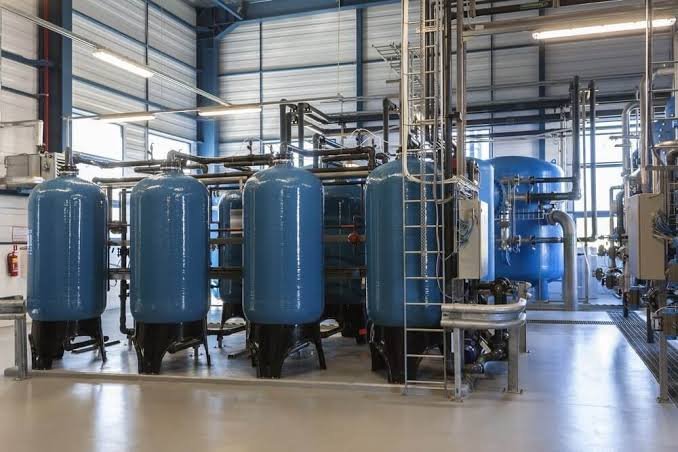
Whole-home equipment is installed on the incoming water line so treatment occurs before water reaches multiple fixtures. Depending on the system, it may address hardness, chlorine, sediment, or other characteristics.
This can be especially useful when the problem is widespread.
For instance, if every bathroom has scale buildup, treating only the kitchen faucet isn’t going to solve the underlying issue. Likewise, if the only complaint is the taste of drinking water, installing a large whole-home system may be more than you need.
The right choice depends on where the problem actually occurs.
System Size Matters More Than You Might Think
A water treatment system needs to keep up with your property’s demand.
Household size, number of bathrooms, appliances, and peak water use all affect system capacity. A small household may have modest demand, while a larger family can suddenly use a lot of water when several fixtures operate at once.
Commercial properties have even more demanding requirements.
If equipment is undersized, treatment performance may suffer during high-demand periods. Oversizing isn’t ideal either, since you may pay more for equipment and operating capacity you don’t really need.
Professional sizing should consider both water chemistry and expected flow rates.
Don’t Forget About Maintenance
Every treatment system needs some level of care.
Filters have to be replaced. Softener salt needs replenishing. Reverse osmosis membranes eventually require replacement. Certain systems need periodic cleaning or professional inspection.
It’s easy to forget these tasks because treatment equipment often works quietly in the background.
A simple maintenance calendar can help. Write down filter replacement dates, service appointments, and any noticeable changes in water quality.
If the water suddenly tastes different or scale starts returning, don’t ignore it. A clogged filter or exhausted treatment media may be the reason.
Think About the Cost Beyond Installation
The price on the initial estimate is only part of the story.
Consider replacement filters, salt consumption, electricity, servicing, parts, warranties, and expected equipment life. A system that costs less upfront might require more frequent maintenance.
At the same time, expensive equipment isn’t automatically better.
The goal is value over time. A properly sized, well-maintained system that addresses the actual problem can be far more useful than an impressive-looking system packed with unnecessary features.
Choose Based on Your Water, Not the Hype
There’s no single water treatment system that’s perfect for every home.
Start with testing. Understand the water source. Identify the specific concerns. Think about whether you need treatment at one faucet or throughout the property. Then compare technologies based on what they are actually designed to accomplish.
Most importantly, ask questions before making a purchase. What does the system remove? What doesn’t it remove? How often does it need maintenance? What will replacement parts cost?
Good water treatment should make life easier, not more complicated.
When the system matches the water and the household, the benefits can be pleasantly ordinary: cleaner fixtures, better-tasting drinking water, fewer mineral deposits, and appliances that don’t have to fight the same water-quality issues every day.
Sometimes the best improvement is the one you barely notice — because everything simply works the way it should.