Clean drinking water is something most of us take for granted until a strange taste, unpleasant smell, or unexpected water-quality problem makes us think twice. Whether water comes from a municipal supply, a private well, or a storage tank, its quality can change for several reasons. Contamination, aging pipelines, poor maintenance, and environmental conditions can all affect the water that reaches our homes and workplaces.
Fortunately, modern water treatment methods make it easier to address these concerns. From advanced disinfection systems to routine water-quality checks, there are practical ways to improve water safety without making everyday life unnecessarily complicated. Understanding how these solutions work is the first step toward choosing a system that genuinely meets your needs.
Why Water Quality Deserves More Attention
Water can look perfectly clear and still contain unwanted contaminants. Certain microorganisms, dissolved minerals, chemicals, and sediment aren’t always visible to the naked eye. That’s why appearance alone isn’t a reliable indicator of drinking water quality.
For homeowners, poor water quality may show up as a metallic taste, cloudy water, stubborn scale on bathroom fixtures, or unpleasant odors. Businesses can face additional challenges, especially when water is used in food preparation, manufacturing, healthcare, or other activities where consistent quality matters.
The right treatment approach depends on the source of the water and the contaminants present. A solution that works well for hard water, for instance, may not effectively address microbial contamination. Identifying the actual problem helps prevent unnecessary spending and makes treatment more effective.
How UV Water Purification Helps Protect Drinking Water
One useful technology in modern water treatment is uv water purification, which uses ultraviolet light to inactivate microorganisms that may cause illness. When water passes through a properly designed UV chamber, the light damages the genetic material of susceptible bacteria, viruses, and other microorganisms, preventing them from reproducing effectively.
Unlike some chemical disinfection methods, UV treatment doesn’t require adding a disinfectant to the water itself. It also generally leaves the water’s taste and odor unchanged, which makes it an attractive option for homes, offices, and commercial facilities.
However, UV treatment has limitations. It doesn’t remove dissolved salts, heavy metals, pesticides, or sediment. Water clarity also matters because suspended particles can interfere with the light reaching microorganisms. For this reason, UV units often work alongside filtration systems that remove particles before disinfection.
Maintenance is equally important. Lamps lose effectiveness over time, even when they still appear to be working, and quartz sleeves can become dirty. Following the manufacturer’s replacement and cleaning schedule helps maintain reliable performance. UV treatment should be selected according to the water’s characteristics rather than installed simply because it sounds advanced.
Choosing the Right Water Treatment Method
There’s no universal water purifier that solves every water-quality problem. Different technologies serve different purposes, and understanding those differences can help you make a sensible investment.
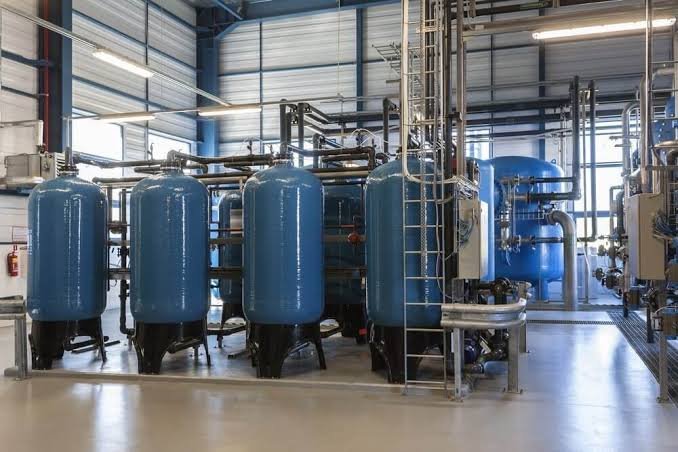
Sediment filters remove suspended particles such as sand, rust, and silt. Activated carbon filters can reduce chlorine, certain organic compounds, and unpleasant tastes or odors, depending on the filter’s design and certification. Reverse osmosis systems reduce many dissolved substances, including certain salts and metals, although performance varies by contaminant and operating conditions.
Water softeners address hardness caused mainly by calcium and magnesium. UV systems, meanwhile, focus on microbial inactivation rather than removing dissolved chemicals.
In some situations, combining technologies makes the most sense. A household with sediment issues and microbial concerns might benefit from prefiltration followed by UV disinfection. Another property with high dissolved solids may need a different arrangement.
The key is to match the treatment process to verified water-quality concerns. More equipment doesn’t automatically mean safer water, and unnecessary treatment can increase costs, maintenance requirements, and water waste.
Why Professional Water Testing Matters
Before purchasing equipment, consider arranging professional water testing to understand what’s actually present in your water. Testing can identify concerns that aren’t obvious from taste, smell, or appearance and provide a clearer basis for selecting treatment equipment.
The appropriate tests depend on the source. Municipal water users may want to investigate changes in taste, plumbing-related lead risks, or specific concerns identified in local water-quality reports. Private well owners generally need a more proactive testing schedule because well water isn’t monitored in the same way as regulated public supplies.
Common tests may measure pH, hardness, total dissolved solids, nitrate, iron, and microbiological indicators such as E. coli. Depending on local conditions and possible contamination sources, additional testing may be appropriate.
It’s worth remembering that no single test checks for every possible contaminant. A basic TDS reading, for example, measures the concentration of dissolved substances collectively but doesn’t identify which substances are present or establish that water is safe to drink.
Once results are available, ask the testing professional to explain the findings in plain language. Understanding which results matter, what they mean, and which treatment methods can address them will make the next decision much easier.
Custom Water Solutions for Homes and Businesses
Every property has different water requirements. A small apartment with a municipal supply doesn’t face the same challenges as a restaurant, rural farmhouse, hotel, or manufacturing facility. This is where custom water solutions can offer practical value.
A well-designed system considers the water source, daily consumption, available installation space, existing plumbing, maintenance capacity, and budget. It also accounts for the specific contaminants that need to be reduced or controlled.
For a household, that might mean combining a sediment filter with a suitable drinking-water purifier. A restaurant may require reliable filtration and disinfection to support food preparation and equipment performance. Industrial facilities could need more specialized treatment to manage mineral buildup, protect machinery, or meet process-water specifications.
Customization shouldn’t mean adding every available technology. Instead, it should focus on solving identified problems with equipment that can be maintained properly over time.
Ask suppliers about installation requirements, replacement-filter costs, service availability, and independent performance certifications. A low purchase price can become expensive if consumables are difficult to find or servicing is unreliable. Clear documentation and realistic performance claims are good signs that a provider takes water quality seriously.
Maintenance Is Part of Water Safety
Even a high-quality water treatment system needs attention. Filters gradually collect contaminants, UV lamps require replacement, and poorly maintained storage tanks can introduce new problems after treatment.
Create a maintenance schedule based on the manufacturer’s instructions and the conditions in your water supply. Replace filters when required, inspect connections for leaks, and arrange periodic testing when appropriate. If the water’s taste, smell, or appearance changes suddenly, investigate the cause rather than assuming the purifier will handle it.
It’s also important to install equipment correctly. Incorrect plumbing connections, inadequate flow rates, or bypassed treatment stages can undermine the system’s effectiveness. Professional installation may be worthwhile for complex setups or applications with stricter water-quality requirements.
Making a Better Decision About Your Water
Safe drinking water doesn’t always require the most expensive purifier or the latest technology. It requires a clear understanding of the problem, a treatment method suited to that problem, and consistent maintenance after installation.
Start by identifying your water source and any concerns you have noticed. Review available water-quality information or arrange appropriate testing. Then compare systems based on verified performance, operating costs, and service requirements rather than marketing claims alone.
Water quality is easy to overlook when everything seems normal. Still, a thoughtful approach today can help prevent avoidable problems tomorrow. With reliable testing, suitable treatment, and regular maintenance, households and businesses can make more informed decisions and build greater confidence in the water they use every day.