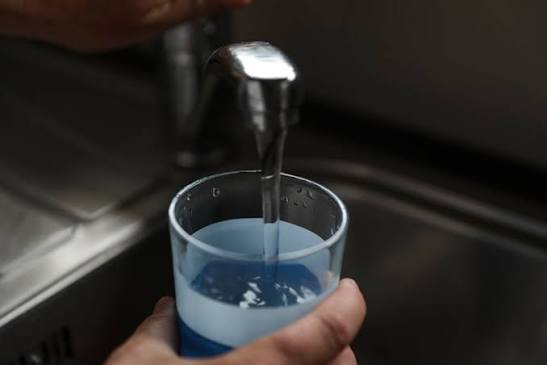
There’s something reassuring about turning on a tap and filling a glass without giving it a second thought. Water is part of nearly every household routine, from making morning tea to rinsing vegetables before dinner. Yet when it develops an unusual taste, leaves white marks on glassware, or smells different from what you’re used to, that everyday convenience starts to feel less certain.
For many homeowners, the answer isn’t to buy the most expensive filtration system available. It’s to understand what is happening with the water and decide whether any treatment is actually needed. A little investigation can make the process less confusing and help you avoid spending money on equipment that doesn’t address the real issue.
Start With the Water You Have
Water quality can differ significantly between homes, even within the same neighborhood. Municipal water supplies are generally treated and monitored, but mineral content, taste, and plumbing conditions can vary. Private wells have their own considerations because groundwater quality depends on local geology, nearby land use, and environmental conditions.
Some problems are relatively easy to notice. White deposits around faucets may suggest hard water, while reddish stains can sometimes indicate iron. An unpleasant chlorine taste may be related to municipal treatment, although other factors can influence flavor as well. These clues are useful, but they don’t provide a complete picture of water quality.
If you’re unsure where to begin, review your water supplier’s quality report or arrange a suitable test. Depending on the source and your concerns, testing may examine hardness, pH, iron, dissolved solids, bacteria, or particular contaminants.
This step matters because different problems call for different solutions. A filter designed to improve taste may do little to address hardness, and a softener isn’t a substitute for disinfection when microbial contamination is present.
What to Consider Before Installing a Filter
Before choosing equipment, think about how you use water every day. Do you mainly want better-tasting drinking water? Are mineral deposits collecting throughout the house? Or have test results identified a specific substance that needs to be reduced?
The answers will help determine whether a small under-sink unit, a whole-house system, or another treatment method makes sense. For example, a household that primarily wants to improve the flavor of drinking water may not need equipment installed on the entire incoming supply.
It’s also worth checking the available installation space. Under-sink units can be convenient, but cabinets often contain cleaning products, waste bins, and plumbing that leave less room than expected. Whole-house systems need enough space for servicing and may require additional plumbing connections or drainage.
Look beyond the advertised number of filtration stages, too. More components don’t automatically mean better performance. What matters is whether the system is designed to address the substances found in your water and whether its performance claims are supported by reliable documentation.
Enjoying Cleaner Water Without the Guesswork
Many homeowners want filtered water at home because it makes drinking and cooking more convenient. Having a dedicated source of treated water can reduce the need to buy bottled water regularly and makes it easier to fill reusable bottles before leaving for work or school.
The type of filter you choose should depend on your priorities. Activated carbon, for instance, can reduce certain tastes, odors, and selected compounds. Sediment filters capture particles, while reverse osmosis systems can reduce many dissolved substances when the particular model is designed and verified for them.
No filter removes everything from every water supply. If you’re concerned about a specific contaminant, check the product’s independent certification or performance documentation. A general claim that a system “purifies” water doesn’t tell you exactly what it reduces or how effectively it does so.
Water testing is especially important when health-related concerns are involved. If you suspect bacteria, lead, nitrates, or another potentially harmful substance, use a testing method appropriate to that concern. A basic taste test or an inexpensive screening device cannot establish that water is safe from every contaminant.
Understanding Hard Water and Mineral Buildup
Hard water is another common reason people consider treatment. It contains elevated levels of calcium and magnesium, which can leave chalky deposits on showerheads, kettles, faucets, and glassware. You may also notice that soap doesn’t lather as easily or that laundry feels stiff after washing.
Traditional water softeners use ion exchange to reduce hardness minerals. This can help limit scale formation and make cleaning easier, although it doesn’t remove every contaminant. The right system depends on the measured hardness, household water use, and willingness to handle routine maintenance.
Some homeowners explore alternative conditioning technologies, but these may work differently from conventional softeners. Ask providers to explain what a product actually does, whether it removes hardness minerals, and what results can reasonably be expected. Clear answers are more useful than broad promises.
What Makes Drinking Water Taste Better?
Taste is personal. Some people dislike the flavor of chlorine, while others notice a mineral taste or an unfamiliar smell. Temperature, the water source, and even the condition of household plumbing can affect how water tastes.
For people who want fresh water readily available throughout the day, a suitable filtration system can be a practical addition to the kitchen. However, it’s worth identifying the cause of an unpleasant taste before choosing a product. Activated carbon may help with certain aesthetic concerns, but a different treatment could be needed if testing identifies another issue.
Storage and cleanliness matter as well. Reusable bottles, pitchers, and dispenser reservoirs should be cleaned regularly according to their instructions. Even treated water can pick up unwanted flavors if it sits in an unclean container or if filters are left in service beyond their recommended life.
If your water suddenly changes in taste, odor, or color, don’t simply assume that a new filter will solve the problem. Contact your water supplier or a qualified professional when appropriate, and arrange further testing if the circumstances warrant it.
Maintenance Is Part of the Investment
A filtration system isn’t something you install and forget about forever. Cartridges eventually reach the end of their useful life, carbon media becomes exhausted, and reverse osmosis membranes require replacement. Ignoring the maintenance schedule can reduce performance and may create additional problems.
Keep a simple record of installation dates and filter changes. Check the manufacturer’s instructions for replacement intervals, sanitation procedures, and any recommended performance checks. It’s also sensible to confirm that compatible replacement parts will remain available and that routine servicing fits your budget.
When considering a filter for the kitchen tap, look at convenience as well as performance. A system should be easy to access, simple to maintain, and capable of providing enough treated water for your household’s normal use. If replacing a cartridge requires complicated work every few months, that may become frustrating over time.
Make a Choice That Fits Your Home
Better drinking water starts with understanding your needs rather than chasing a product trend. Review available water-quality information, arrange appropriate testing when necessary, and compare treatment systems according to their verified performance.
Consider the complete cost, including installation, replacement filters, maintenance, and water use where applicable. Ask questions about what a system can and cannot do, and take time to compare options before committing to a purchase.
Ultimately, the most useful water-treatment setup is one that addresses a real concern and fits comfortably into everyday life. With reliable information and regular maintenance, you can make a practical choice and enjoy greater confidence in the water your household uses.