How often do you add bottled water to your grocery shopping list? For many families, purchasing packaged drinking water has become a routine expense simply because they prefer its taste over ordinary tap water.
Between carrying heavy packages, finding storage space, and disposing of empty bottles, this habit can become surprisingly inconvenient.
Fortunately, improving the taste of your household drinking water doesn’t necessarily require an elaborate treatment arrangement.
For homeowners throughout Northeast Florida, modern drinking water filtration provides several practical alternatives to purchasing bottled water regularly.
With guidance from Tri-County Water Specialists, families can explore suitable equipment based on their existing water conditions, daily consumption, and personal preferences. A thoughtfully selected filtration system can bring greater convenience to everyday living while helping address specific drinking water concerns.
Enjoy Refreshing Drinking Water Without Constantly Buying Bottled Water
There’s nothing quite like drinking a refreshing glass of water after spending time outdoors on a warm Florida afternoon. However, an unpleasant chemical or metallic aftertaste can make ordinary tap water less appealing.
Achieving bottled-water taste at home becomes more practical when homeowners select appropriate filtration technologies that address the substances influencing their water’s flavor.
Water taste can be affected by naturally occurring minerals, residual disinfectants, dissolved salts, and other characteristics. Even water that meets applicable drinking water standards may have a flavor that some people find unpleasant.
Activated carbon filtration can help reduce selected disinfectants and unwanted tastes, while reverse osmosis technology addresses many dissolved substances that conventional carbon filtration may not effectively reduce.
Imagine preparing your morning coffee, filling your children’s reusable water bottles, or making homemade lemonade without repeatedly reaching for packaged drinking water.
Having appropriately filtered water conveniently available may make these everyday activities more enjoyable.
Reducing bottled water purchases could also help households decrease recurring grocery expenses and reliance on disposable plastic packaging.
However, bottled water itself varies considerably in mineral content and taste. No filtration system can guarantee an identical flavor to every bottled water brand.
The goal is to find a treatment arrangement that addresses your water quality concerns and delivers a taste your family enjoys.
Discover the Convenience of Targeted Drinking Water Filtration
Not every household needs to treat all incoming water to the same standard. While centralized systems address selected concerns throughout a property, dedicated drinking water equipment focuses treatment where it’s needed most.
Installing point-of-use drinking water treatment allows homeowners to improve selected water characteristics at a designated outlet, typically near the kitchen sink.
This approach is particularly practical for families primarily concerned about water used for drinking, cooking, and beverage preparation.
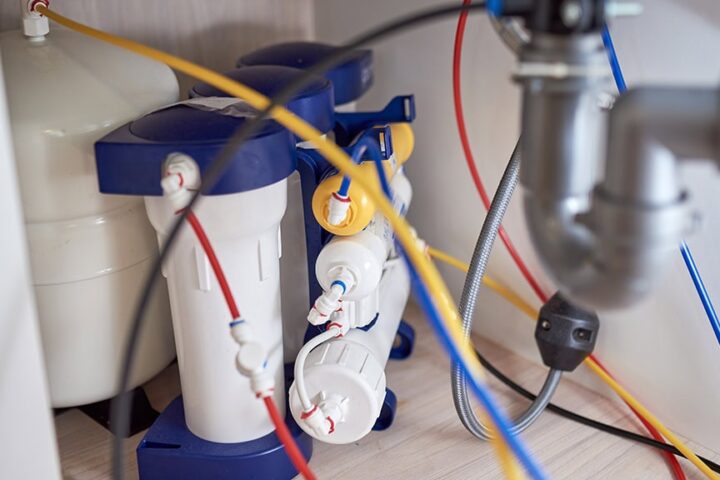
Under-sink filtration equipment can be positioned inside kitchen cabinetry, preserving valuable countertop space while providing convenient access to treated water through a dedicated faucet.
Several everyday activities may benefit from appropriately filtered water:
- Preparing coffee, tea, and other beverages.
- Filling reusable bottles before work or school.
- Cooking rice, pasta, soups, and homemade meals.
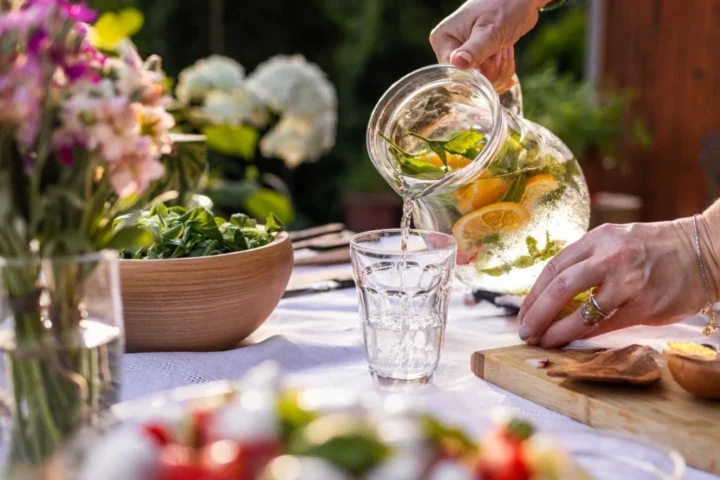
- Mixing refreshing drinks with fresh ingredients.
- Making ice when the equipment supports a compatible connection.
- Providing drinking water conveniently during family gatherings.
Another advantage of targeted treatment involves equipment capacity. Rather than processing all household water, homeowners can select a system designed specifically around drinking and cooking requirements.
However, this arrangement won’t address hardness-related deposits or unwanted odors throughout untreated household plumbing.
Families experiencing broader water quality challenges may benefit from complementary centralized treatment.
Understanding the distinction between dedicated and whole-house filtration helps homeowners avoid unnecessary expenses while selecting equipment that genuinely matches their needs.
Compare Reverse Osmosis Systems Before Making an Investment
Modern drinking water equipment comes in various configurations, making it important to understand the differences before purchasing a system.
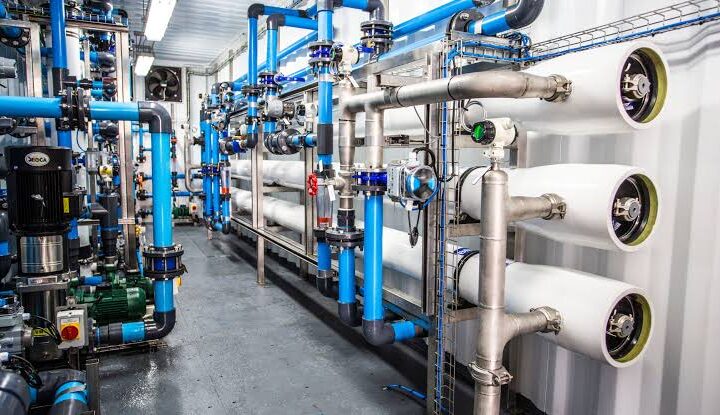
Exploring available reverse osmosis filtration options allows homeowners to compare treatment capacity, membrane performance, installation requirements, water recovery efficiency, and long-term maintenance expenses.
Reverse osmosis uses pressure to move water through a semipermeable membrane. This process reduces many dissolved salts, minerals, and selected contaminants while directing rejected substances into a separate wastewater stream.
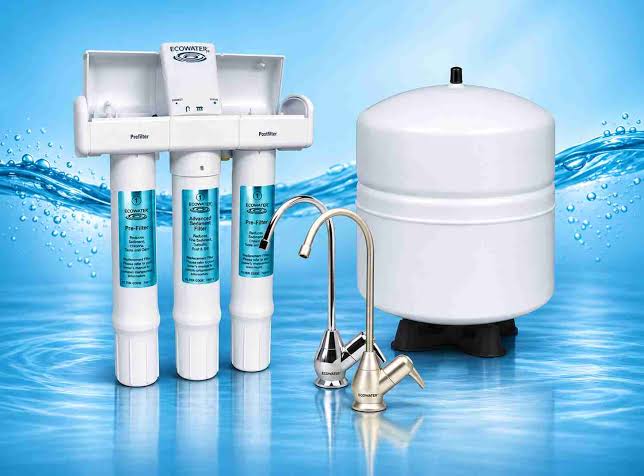
Traditional residential systems often incorporate preliminary sediment and carbon filters, a reverse osmosis membrane, and final-stage filtration.
Some models include storage tanks that hold treated water until it’s needed. Tankless configurations generally produce water on demand and may require electrical power.
Certain systems also incorporate remineralization stages designed to adjust the mineral content and taste of treated water.
When comparing equipment, think about your family’s daily drinking water consumption.
A household that frequently prepares meals, fills reusable bottles, and entertains guests may require greater production capacity than a smaller household.
Available cabinet space and maintenance accessibility should also influence equipment selection.
Most importantly, review independently certified contaminant reduction claims. Different models provide different treatment capabilities, and no system automatically removes every possible contaminant.
A knowledgeable water treatment professional can explain these differences and help you select equipment that addresses your actual requirements.
Understand Your Water Quality Before Choosing Equipment
Northeast Florida homeowners may receive water from municipal suppliers or depend on private wells. These different sources can influence treatment requirements.
Municipal water customers might dislike disinfectant-related tastes, while private well owners may experience concerns involving dissolved minerals, iron, or other groundwater characteristics.
Professional water testing can help identify relevant conditions and determine whether reverse osmosis or another filtration technology would be appropriate.
Private well owners should also arrange suitable laboratory testing for bacteria, nitrates, and other potentially harmful contaminants.
Remember that pleasant-tasting water doesn’t automatically indicate drinking water safety.
Choosing equipment based on reliable findings helps ensure that your investment addresses genuine water quality concerns rather than assumptions.
Consider the Financial and Environmental Benefits
Purchasing bottled water regularly can create an ongoing household expense. Dedicated filtration equipment offers an alternative that may reduce these recurring purchases.
However, homeowners should also consider installation costs, replacement cartridges, membrane servicing, and water consumption during treatment.
Actual financial savings depend on household usage and equipment operating expenses.
Using reusable bottles filled with appropriately filtered water may also help reduce disposable plastic waste.
Comparing these factors can help you determine whether a residential filtration system offers worthwhile long-term value.
Maintain Your Drinking Water System for Dependable Results
Consistent maintenance is essential for preserving filtration performance.
Replace cartridges and membranes according to manufacturer recommendations, follow appropriate sanitation procedures, and monitor changes in water taste or production rate.
Keeping simple maintenance records can help you anticipate servicing expenses and identify potential equipment concerns.
Periodic follow-up testing may also help verify that your system continues addressing its intended treatment objectives.
Make Every Glass More Enjoyable in Your Northeast Florida Home
Better-tasting drinking water shouldn’t require constant trips to the grocery store or cupboards filled with disposable bottles.
Consider contacting Tri-County Water Specialists to discuss your existing water conditions and explore suitable drinking water filtration technologies.
With reliable testing, thoughtful equipment selection, professional installation, and regular maintenance, homeowners can enjoy the convenience of appropriately treated water whenever they need it.
Ultimately, improving your drinking water is about making everyday life simpler. From your first morning coffee to a refreshing glass of water after dinner, the right filtration system can bring lasting convenience, enjoyable taste, and practical value to your home.