vA kitchen doesn’t need a complete makeover to become more functional. Sometimes, the most useful upgrades happen beneath the countertop, tucked away behind a cabinet door. Drinking water filtration is a good example. What once involved bulky storage tanks and complicated-looking plumbing arrangements can now be accomplished with more compact equipment designed around modern household needs.
The development of tankless reverse osmosis technology has introduced another option for homeowners who want convenient access to filtered drinking water without sacrificing considerable storage space.
Whether you’re trying to move away from bottled water or simply want to improve the taste of your daily beverages, understanding modern filtration technology can help you make a decision you’ll appreciate for years.
Why Traditional Drinking Water Filters Have Their Limitations
A basic water filter pitcher can be useful, especially when the main concern involves chlorine taste or odor. But if you’ve ever forgotten to refill one before dinner, you’ll understand that convenience isn’t always its strongest feature.
Conventional mechanical filters also have limitations when addressing dissolved substances. They can capture suspended particles, but dissolved minerals and certain contaminants require different treatment methods.
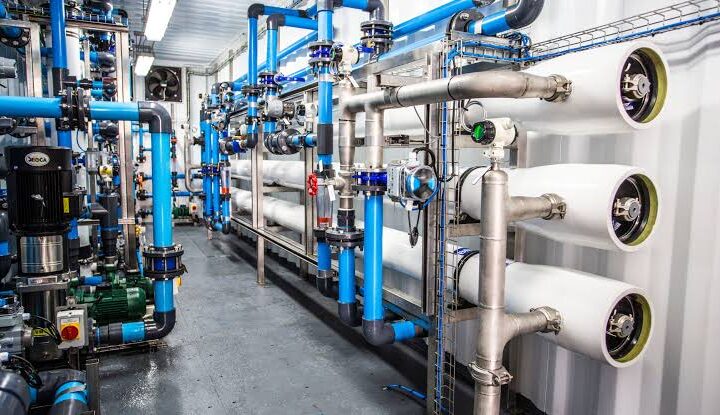
Reverse osmosis uses pressure to move water through a semipermeable membrane, reducing many substances that simpler filtration devices cannot effectively capture.
This makes it a worthwhile consideration for households with specific drinking water quality concerns.
Of course, equipment selection should always begin with understanding what’s actually present in your water.
Understanding Why Multiple Filtration Stages Matter
One interesting aspect of reverse osmosis is that the membrane doesn’t necessarily do all the work on its own.
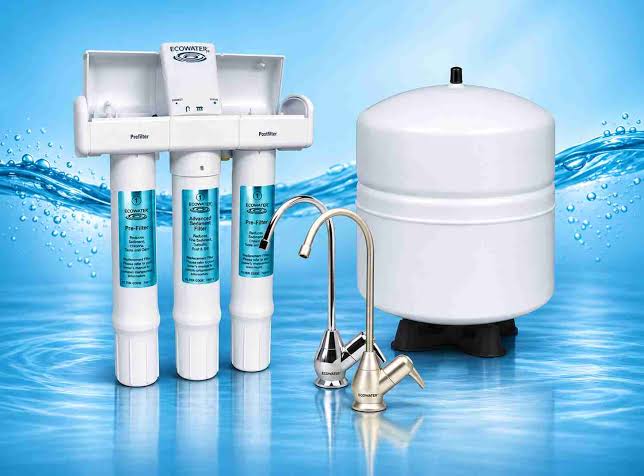
Well-designed multi-stage reverse osmosis systems combine different filtration technologies, allowing individual components to address particular substances and support overall treatment performance.
A sediment filter generally captures suspended particles before they reach more sensitive components. Activated carbon can help reduce chlorine and certain compounds associated with unpleasant tastes and odors.
The reverse osmosis membrane then reduces many dissolved substances, while an additional carbon filter may help refine the finished water’s taste.
Some designs also incorporate remineralization stages.
However, a greater number of filtration stages doesn’t automatically mean better performance. What matters is how effectively those components address your household’s actual water quality concerns.
Finding a Drinking Water System That Fits Your Daily Routine
Everyone uses their kitchen differently. Some people prepare several cups of coffee throughout the day, while others regularly cook large family meals or fill reusable bottles before heading outdoors.
When comparing reverse osmosis filters for home use, consider drinking water consumption, production capacity, installation space, and ongoing maintenance expenses.
Traditional tank-based systems store treated water for later use. Tankless designs generally produce filtered water on demand, eliminating the need for a conventional storage tank.
Many tankless models require electricity to operate their internal pumps and electronic controls.
Consider how these differences might affect your household. For instance, a family that frequently fills large cooking pots may prioritize production rates, while someone living in a smaller apartment might be more concerned about compact installation.
Making Room for Better Water Without Losing Cabinet Space
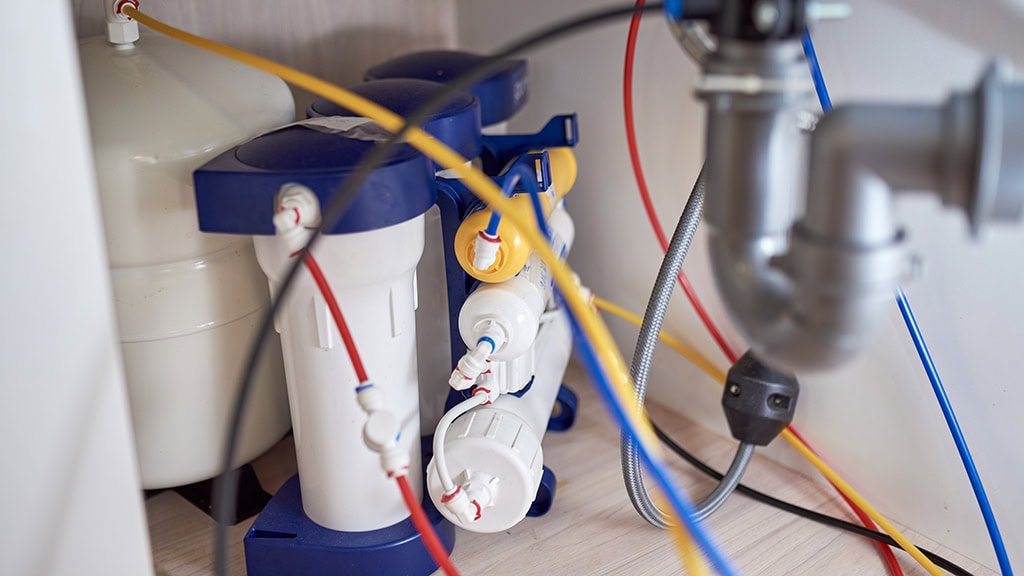
Under-sink storage tends to become crowded remarkably quickly. Cleaning products, spare sponges, plumbing connections, and household supplies all compete for space.
A tankless filtration arrangement may help homeowners preserve some of that valuable storage area.
However, compact doesn’t necessarily mean effortless installation. Equipment dimensions, electrical connections, drain access, and clearance for filter replacement still need careful consideration.
Before purchasing a system, take a proper look beneath your sink. Measure the available space and think about how you’ll access the equipment when servicing becomes necessary.
A little planning now can save you from awkward maintenance arrangements later.
What Better-Tasting Water Can Bring to Your Kitchen
Water is an ingredient that rarely receives much attention, despite being used in countless recipes.
Think about homemade vegetable soup, freshly brewed tea, or a simple glass of iced water on a warm afternoon. An unpleasant chlorine flavor or noticeable mineral aftertaste can influence the experience.
Appropriate filtration may provide a more neutral flavor, allowing other ingredients to stand out.
For coffee enthusiasts, water composition can also affect extraction and taste. Some people prefer remineralized water, while others enjoy the relatively neutral flavor associated with reverse osmosis.
There isn’t necessarily a universal preference.
Having filtered water readily available gives you the opportunity to discover what works best for your everyday cooking and drinking habits.
Looking Beyond the Initial Purchase Price
A filtration system is a long-term household investment, so its purchase price tells only part of the story.
Replacement cartridges, membrane servicing, electricity requirements, and water consumption all contribute to ongoing operating expenses.
Reverse osmosis produces a concentrate stream that carries rejected substances to the drain. Compare documented water efficiency between models rather than assuming every modern design performs equally well.
When speaking with a provider such as Hawkins Water, ask about maintenance intervals, replacement component availability, and independently verified contaminant reduction claims.
Choose equipment that addresses your specific concerns instead of relying on broad purification promises.
Appropriate follow-up testing and regular maintenance can help verify continued treatment performance.
A More Convenient Future for Household Drinking Water
Modern reverse osmosis offers homeowners another way to approach drinking water quality without unnecessarily complicating kitchen routines.
With thoughtful equipment selection and consistent maintenance, filtered water can become a convenient part of everyday living.
Perhaps you’ll appreciate it most while preparing your morning coffee, filling a water bottle before leaving home, or cooking dinner for the family.
Not every worthwhile household upgrade needs to make a dramatic visual statement. Sometimes, the best improvements remain quietly hidden beneath the kitchen sink, making the little moments of your day just a bit more enjoyable.