Most people install a water purifier and then forget about it. And honestly, that makes sense. Once it’s up and running, clean water flows effortlessly. There’s no noise, no visible activity, no reminder that anything complicated is happening behind the scenes.
It quietly does its job day after day—until something changes.
Maybe the water starts tasting slightly different. Perhaps the flow slows down. Or you notice that your purifier seems to run longer than usual. These aren’t dramatic signs, but they’re often the system’s subtle way of saying: “Hey, I need a little attention.”
The truth is, an RO purifier isn’t a single component—it’s a complete system made up of multiple layers working together. And when one layer weakens, the entire performance can suffer.
The Role of the Main Membrane in Water Purification
At the heart of every RO purifier lies the membrane. It’s the most important part of the system—the component responsible for removing dissolved impurities, heavy metals, and microscopic contaminants from water.
Think of it as a highly selective gatekeeper. It allows pure water molecules to pass while blocking unwanted substances.
Over time, however, this membrane faces constant pressure from mineral deposits, sediments, and chemical residues. Even with proper filtration, wear and tear is inevitable.
That’s why periodic replacement of the ro replacement membrane is essential. A worn-out membrane doesn’t just reduce purification efficiency—it can also affect taste, pressure, and overall system reliability.
Many homeowners don’t realize how much difference a fresh membrane makes until they replace it. Suddenly, the water tastes lighter, flows better, and the system runs more smoothly.
Why Pre-Filtration Matters More Than You Think
While the membrane does the heavy lifting, it’s not meant to work alone. Upstream filters protect it from damage by removing larger particles and chemical elements before they reach the core purification stage.
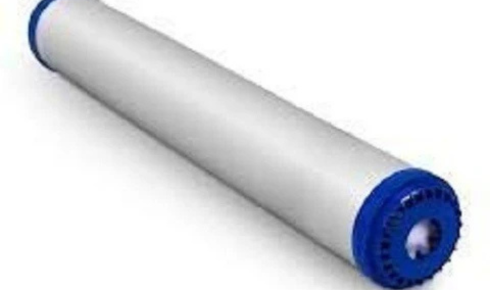
One of the most critical components in this early stage is the ro pac pre filter. This filter typically handles sediment, chlorine, and organic contaminants that could otherwise clog or degrade the membrane.
Without proper pre-filtration, the main membrane is forced to handle more than it’s designed for, which shortens its lifespan significantly.
Replacing pre-filters regularly is like maintaining the foundation of a house. It may not seem exciting, but it prevents major problems later.
And in many cases, it’s one of the simplest ways to ensure consistent purifier performance.
The Final Touch: Improving Taste and Balance
After water passes through the main filtration stages, it’s technically very pure. However, pure water can sometimes taste flat because essential minerals are removed along with impurities.
This is where the ro alkaline post filter plays an important role. It adds beneficial minerals back into the water while balancing its pH level, improving both taste and hydration quality.
Many people describe water from a system with a healthy post-filter as “smoother” or “fresher.” It’s not a dramatic change, but it makes drinking water more enjoyable.
And when water tastes better, people tend to drink more of it—which is always a good thing.
The Subtle Signs That Filters Need Attention
One challenge with RO systems is that problems rarely appear suddenly. Instead, performance declines gradually.
You might notice slower water flow. The storage tank may take longer to fill. The taste may change slightly over time.
These are all normal indicators that filters or membranes may need replacement. Paying attention to these subtle signs helps maintain consistent purification quality.
Ignoring them, on the other hand, often leads to larger maintenance issues later.
The Emotional Comfort of Reliable Clean Water
It’s easy to underestimate the emotional impact of reliable water purification. Knowing that your drinking water is consistently clean removes a certain background worry.
You don’t think twice about filling a glass from the tap. You trust the system to protect your health quietly and effectively.
That peace of mind is one of the most valuable benefits of a well-maintained purifier.
And it’s something people often take for granted—until they experience a system failure.
Preventive Maintenance Saves More Than Money
Regular filter replacement isn’t just about maintaining water quality—it also protects the purifier itself.
When filters clog or membranes degrade, the system has to work harder. Pumps experience additional strain, energy consumption increases, and overall lifespan shortens.
Preventive maintenance keeps everything running efficiently, reducing long-term repair costs and extending the life of the purifier.
In many cases, simple filter replacements can prevent expensive component failures.
A Quiet Investment in Daily Health
Improving and maintaining an RO purifier doesn’t change how your home looks. There’s no visual transformation or dramatic upgrade.
But the impact is felt every day—in cleaner drinking water, better taste, and greater confidence in what you consume.
Over time, these quiet benefits add up to something meaningful.
Because sometimes, the most important home systems are the ones you rarely think about.
They work silently in the background—protecting your health, supporting your routines, and making everyday life just a little easier, one glass of water at a time.