At some point, most of us reach that moment in the kitchen. You fill a glass from the tap, take a sip, and pause. It’s fine… but not great. Maybe there’s a faint chlorine aftertaste. Maybe you’ve read a few unsettling headlines about water quality in nearby cities. Or maybe you just want your coffee to taste better.
So you start looking at filters.
And then comes the debate: do you keep it simple with a pitcher in the fridge, or invest in something installed beneath the sink?
The question of under sink vs water pitcher filter isn’t just about cost—it’s about lifestyle, water quality goals, and how much effort you’re willing to put into the process.
Let’s unpack it in a way that actually helps you decide.
The Case for the Humble Pitcher
Water pitcher filters are popular for a reason. They’re affordable. They don’t require installation. You buy one, fill it up, and let gravity do the work.
For renters or anyone who doesn’t want to drill holes or modify plumbing, they’re a practical starting point.
Most pitchers use activated carbon filters, which are effective at reducing chlorine taste and odor. For many households, that’s enough. If your primary concern is flavor rather than heavy contaminants, a pitcher can significantly improve your daily glass of water.
But there are trade-offs.
Pitchers have limited capacity. You refill them constantly if multiple people are using them. Filters need replacing regularly—sometimes more often than you expect. And they generally don’t address a broad range of dissolved solids or heavy metals unless specifically designed to do so.
In other words, they’re convenient—but basic.
Under-Sink Systems: A Different Commitment
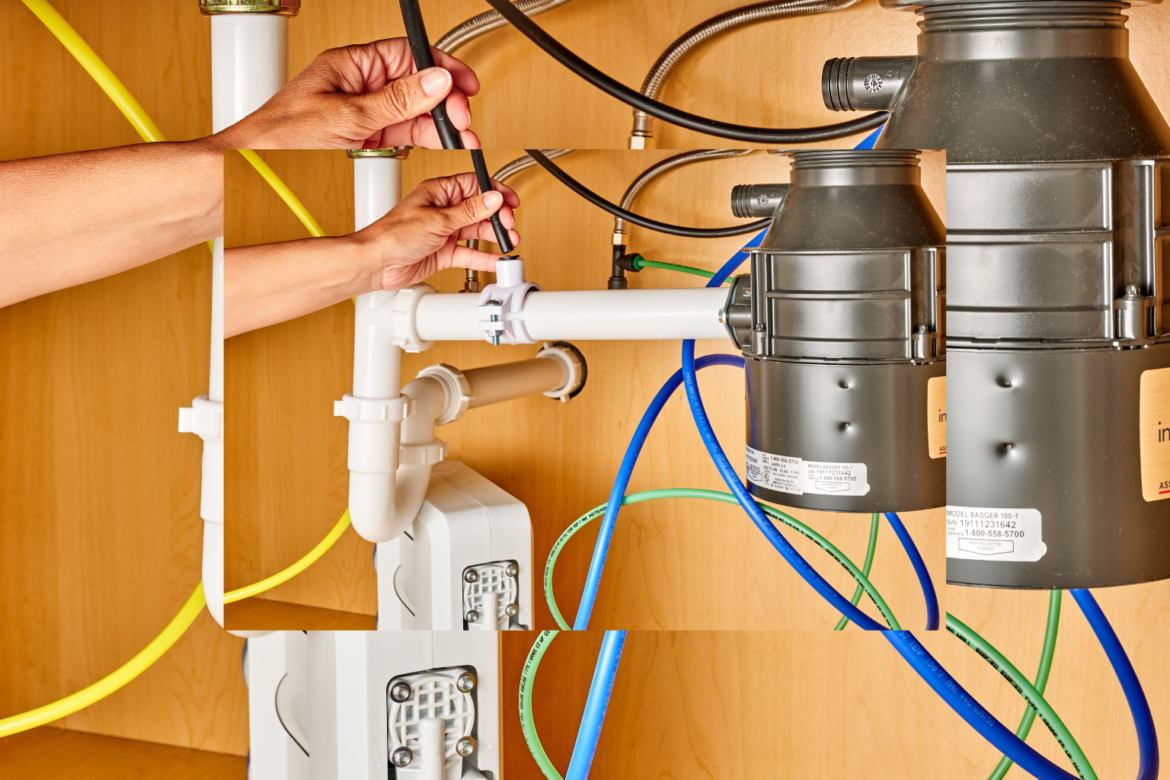
Under-sink filters operate on a different level. Installed directly into your plumbing system, they treat water as it flows from your faucet.
You don’t refill anything. There’s no waiting for filtration. It’s immediate and continuous.
These systems can range from simple carbon filtration units to multi-stage setups, including reverse osmosis. That means more comprehensive contaminant reduction—depending on the model you choose.
The convenience factor is undeniable. Turn on the tap, and filtered water is there.
But installation does require some effort. Some systems are DIY-friendly. Others may require professional help. The upfront investment is higher than a pitcher.
And yet, over time, maintenance intervals are often longer and more predictable.
Thinking About Usage
Here’s where personal habits matter.
If you drink a couple of glasses of water per day and live alone, a pitcher might be perfectly adequate. If you cook frequently, entertain guests, or have a family refilling bottles all day long, pitcher refills can quickly become tedious.
Under-sink systems tend to make more sense in higher-demand households. They’re built for volume.
That doesn’t make one better than the other universally. It just makes them suited to different scenarios.
Taste vs. Total Treatment
When people start comparing options, they often focus on taste. And yes, taste is important.
But true filtration comparison goes beyond flavor.
What contaminants are you trying to reduce? Chlorine? Lead? Sediment? Dissolved solids? Bacteria?
Not all systems address the same issues.
Pitchers usually focus on improving taste and reducing a limited set of contaminants. Under-sink systems—particularly multi-stage ones—can target a broader range.
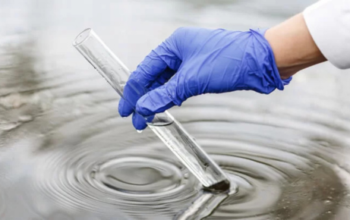
Testing your water before buying anything is wise. It helps you avoid over- or under-investing.
Cost Over Time
At first glance, pitchers win on price. They’re inexpensive and widely available.
But consider long-term filter replacement costs. If you’re changing pitcher filters every month, the annual total can add up.
Under-sink filters often have higher upfront costs but longer filter lifespans. Some cartridges last six months to a year, depending on usage.
Neither is inherently cheaper in every situation. It depends on how much water you use and how frequently filters need replacement.
It’s not just about sticker price—it’s about total ownership.
Convenience Matters More Than You Think
Convenience is an underrated factor.
If a filtration system feels like a hassle, you’re less likely to use it consistently. That means fewer benefits.
Pitchers require discipline—refilling, waiting, cleaning. Under-sink systems require little daily effort once installed.
When choosing right water filter for your home, think honestly about your habits. Do you prefer plug-and-play simplicity, or are you comfortable with minor installation and occasional maintenance?
Your answer probably reveals the better option.
Space and Aesthetics
There’s also the matter of space.
Pitchers take up room in your refrigerator. Under-sink systems take up space in your cabinet.
If your fridge is already crowded, a pitcher might feel inconvenient. If your cabinet space is limited, an under-sink unit could feel intrusive.
These details sound minor, but they affect day-to-day satisfaction.
Environmental Considerations
Both systems can reduce reliance on bottled water, which is a win for sustainability.
However, under-sink systems often produce less plastic waste over time because filters are replaced less frequently. That said, some reverse osmosis systems generate wastewater during filtration.
As always, trade-offs exist.
There’s No Universal Answer
If you’re hoping for a definitive “this one is better,” you might be disappointed.
The right choice depends on water quality, household size, budget, and lifestyle preferences.
For some, a pitcher is a practical entry point. For others, an under-sink system becomes a long-term solution.
What matters most is that you’re thinking intentionally about what flows from your tap.
A Better Glass, Your Way
Clean, good-tasting water shouldn’t feel complicated.
Whether you choose a simple pitcher or a comprehensive under-sink setup, the goal is the same: confidence in what you’re drinking.