At some point, most homeowners start paying closer attention to their water. Maybe it’s the white buildup on the faucet. Maybe it’s the taste. Maybe it’s the way your skin feels after a shower. Whatever the trigger, the question tends to follow:
Do I need a filter… or a softener?
It sounds simple enough. But once you start digging, the terminology gets confusing fast. And that’s where people either overspend, undersolve the issue, or install something that doesn’t actually address their real problem.
Let’s slow it down and unpack it properly.
First, What’s the Actual Difference?
When people search for water filtration vs softening, they’re usually trying to solve one of two things: water that tastes off, or water that leaves residue everywhere.
Filtration is about removing contaminants. Think chlorine, sediment, certain chemicals, and sometimes bacteria, depending on the system. Filters improve taste, smell, and clarity.
Softening, on the other hand, focuses specifically on hardness minerals — mainly calcium and magnesium. These minerals aren’t harmful to drink, but they’re notorious for causing scale buildup.
So right away, you can see the distinction: filters clean; softeners condition.
Different goals. Different tools.
If Taste Is the Problem
If your water smells slightly like a swimming pool or leaves a metallic aftertaste, filtration is usually the first place to look.
Activated carbon filters are highly effective at reducing chlorine and organic compounds that affect flavor. Reverse osmosis systems go further, removing dissolved solids.
When you address taste, the change can be subtle but noticeable. Coffee feels smoother. Tea tastes cleaner. You might even find yourself reaching for tap water instead of bottled.
That’s filtration doing its job.
If You’re Fighting White Residue
Now let’s talk about scale — that chalky film on shower doors and faucets. The stiff laundry. The soap that never quite lathers properly.
That’s hard water.
Softening systems work through ion exchange, replacing hardness minerals with sodium or potassium ions. The result is water that rinses cleaner and leaves less buildup behind.
It doesn’t remove contaminants like chlorine. It simply changes the mineral composition.
And when hardness levels are high, the improvement can feel dramatic. Showers feel silkier. Cleaning takes less effort. Appliances accumulate less internal scale.
Why Confusion Happens
The confusion usually arises because both systems improve the overall experience of water — but in different ways.
This is where a proper treatment comparison becomes essential.
Filtration addresses safety, clarity, and taste.
Softening addresses mineral-related wear and comfort.
They’re not competing technologies. They’re complementary.
In fact, many homes benefit from both.
Testing Before Installing Anything
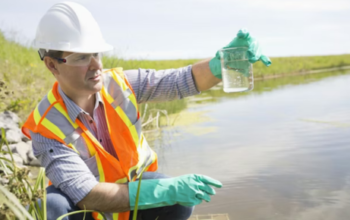
Before buying equipment, test your water.
Hardness is measured in grains per gallon. Chlorine and dissolved solids can also be measured easily. If you’re on a private well, testing becomes even more important.
Without data, you’re guessing.
And guessing often leads to installing a filter when what you really needed was a softener — or vice versa.
A simple water analysis gives you clarity. It shows you whether hardness is high, whether chlorine levels are noticeable, and whether additional contaminants are present.
From there, decisions become logical rather than emotional.
When You Might Need Both
Many households install both systems, but for different reasons.
For example:
- A softener protects plumbing and appliances from scale.
- A carbon filter improves taste and odor at the kitchen tap.
- A whole-home filter removes sediment before it reaches appliances.
Layering systems is common. It’s not overkill — it’s targeted problem-solving.
These tailored water solutions allow you to address multiple concerns without expecting one device to handle everything.
Cost and Maintenance Considerations
Softening systems require salt refills and occasional servicing. Filtration systems require cartridge changes and periodic maintenance.
Neither is maintenance-free.
But maintenance is predictable. It’s manageable.
And when properly maintained, both systems can operate reliably for years.
The key is understanding what each system is designed to do — and not expecting more from it than it’s built for.
A Quick Reality Check
Not every home needs both systems. Some homes have low hardness but noticeable chlorine taste. Others have very hard water but minimal contamination concerns.
The right answer depends entirely on your specific water profile.
That’s why general advice online can only go so far.
Your water is unique to your region, plumbing, and source.
Final Thoughts
When deciding between filtration and softening, the real question isn’t “Which is better?” It’s “What problem am I trying to solve?”
If you want better taste and cleaner-smelling water, filtration makes sense. If you’re battling scale and stiff laundry, softening is the likely solution.