It usually starts with something so minor you almost laugh it off. A slow drip from the kitchen sink. Water swirling lazily in the shower instead of disappearing quickly. Maybe the hot water takes longer than usual to arrive in the morning. None of these things feel urgent at first — they’re just little annoyances, the kind you promise yourself you’ll deal with “sometime soon.”
But plumbing has a funny way of refusing to stay in the background when something isn’t quite right. Those small issues often carry bigger stories underneath. And if ignored long enough, they tend to grow into problems that demand immediate attention.
Understanding why these seemingly minor concerns matter — and how to address them early — can save homeowners a surprising amount of time, money, and stress.
Why Small Plumbing Issues Rarely Stay Small
Water systems operate under constant pressure. Every day, pipes expand and contract with temperature changes, while mineral deposits and debris slowly accumulate inside them. Even small weaknesses in plumbing infrastructure can gradually worsen over time.
A minor leak, for example, may seem harmless. But a dripping faucet can waste hundreds of gallons of water annually, increasing utility bills while also contributing to long-term wear on fixtures.
Addressing small issues promptly isn’t just about convenience — it’s about protecting the overall health of the plumbing system.
The Hidden Costs of Ignoring Dripping Fixtures
One of the most common household plumbing problems is a dripping faucet. It’s easy to ignore because the immediate impact seems minimal.
However, consistent dripping indicates worn washers, corroded valves, or pressure imbalances within the fixture. Over time, this can lead to increased water waste and fixture deterioration.
Professional leaky faucet repair not only stops the drip but also ensures that underlying components are functioning properly. This prevents recurring problems and helps extend the lifespan of plumbing fixtures.
Fixing a small drip early often avoids larger replacement costs later.
The Silent Build-Up Inside Your Pipes
Drainage systems tend to accumulate debris gradually. Soap residue, grease, hair, and food particles slowly adhere to pipe walls, narrowing the flow path.
Initially, the only noticeable sign may be slightly slower drainage. But over time, severe clogged drains can develop, leading to backups, unpleasant odors, and even pipe damage.
Chemical cleaners may offer temporary relief, but they often fail to address the root of the problem and can sometimes damage pipes.
Professional cleaning methods remove buildup safely and restore proper flow.
The Importance of Reliable Hot Water Systems
Hot water is one of those daily comforts we rarely think about until it’s unavailable. Morning routines, cleaning tasks, and even relaxation often depend on consistent hot water supply.
Water heaters, however, experience gradual wear due to sediment accumulation and internal corrosion. As efficiency declines, heating performance becomes inconsistent.
Modern water heater installs offer improved energy efficiency, faster heating, and enhanced durability. Upgrading aging systems can significantly improve both comfort and energy savings.
Routine maintenance also helps extend the lifespan of existing water heaters.
How Minor Problems Lead to Major Repairs
One of the biggest risks associated with ignoring plumbing issues is the potential for escalating damage.
A dripping faucet can lead to fixture corrosion. A clogged drain can cause pipe pressure buildup. An inefficient water heater can increase energy consumption while reducing performance.
Left untreated, these problems often result in more extensive repairs, including pipe replacements or structural restoration.
Early intervention remains the most effective way to prevent costly emergencies.
The Financial Benefits of Preventive Maintenance
Preventive plumbing care often proves far more economical than reactive repairs. Routine inspections allow technicians to identify small issues before they develop into larger problems.
Maintenance services can include:
- Cleaning drainage systems
- Inspecting fixtures for leaks
- Flushing water heaters
- Monitoring water pressure levels
These steps help maintain system efficiency and reduce long-term repair costs.
Investing in preventive care protects both property value and household budgets.
The Emotional Impact of Reliable Plumbing
Reliable plumbing contributes significantly to daily comfort. It supports routines without drawing attention, allowing homeowners to focus on everyday activities.
When plumbing systems fail unexpectedly, the disruption can feel overwhelming. Water damage creates urgency, and sudden repairs often require quick decisions.
Addressing small issues early helps maintain peace of mind and reduces stress.
Comfort isn’t just physical — it’s emotional.
Choosing Professional Expertise Over Temporary Fixes
While DIY solutions may seem appealing for minor plumbing problems, they often provide only short-term relief.
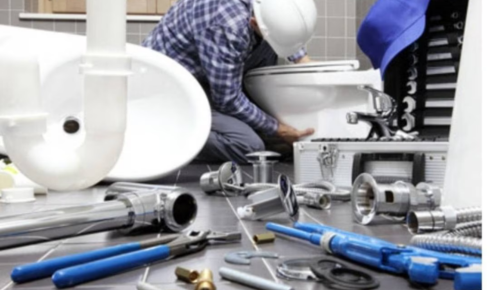
Professional technicians use specialized tools and knowledge to diagnose underlying causes accurately. They ensure repairs meet safety standards and provide lasting results.
Working with experienced professionals helps prevent recurring issues and ensures system reliability.
Clear communication also helps homeowners understand maintenance needs and future prevention strategies.
Simple Steps Homeowners Can Take
While professional support is essential, homeowners can take proactive steps to reduce plumbing risks.
Practical measures include:
- Monitoring water usage patterns
- Addressing minor leaks promptly
- Avoiding grease disposal in drains
- Scheduling periodic plumbing inspections
- Maintaining water heater systems
These habits help preserve plumbing system health and prevent unexpected disruptions.
Consistency plays a key role in effective maintenance.
A Final Thought: Listening to What Your Plumbing Is Telling You
Plumbing systems rarely fail without warning. They provide subtle signals — small leaks, slow drains, and temperature inconsistencies — long before major problems occur.
Paying attention to these signs and addressing them early helps protect both home infrastructure and daily comfort.