Most of us don’t blame the water.
If the dishwasher leaves spots, we switch detergents. If our skin feels dry, we try a new lotion. If the water heater starts making odd noises, we assume it’s just aging. Rarely do we pause and think — maybe it’s the water itself.
But water flows through everything. It touches our skin every morning, runs through expensive appliances, steams up our mirrors, fills our kettles. And when it carries excess minerals or impurities, the effects show up in subtle, everyday ways.
Sometimes the fix isn’t another product. Sometimes it’s improving the water at the source.
The Problem You Can’t Always See
Hard water is common in many regions, especially areas where groundwater flows through limestone or mineral-rich soil. It contains higher levels of calcium and magnesium, which aren’t harmful to drink but can create frustrating side effects.
You might notice a chalky film on faucets. A cloudy haze on glassware. A stubborn ring around the bathtub that reappears no matter how thoroughly you scrub.
One of the most immediate improvements homeowners notice after installing proper water treatment is scale buildup reduction. When minerals are removed before entering your plumbing system, they no longer cling to heating elements, showerheads, and pipes.
It’s not flashy. There’s no dramatic before-and-after reveal. But over time, you realize you’re scrubbing less. Fixtures stay cleaner. Water pressure remains steady.
And that small shift makes daily life just a bit easier.
It’s Not Just About Fixtures
There’s also a personal side to this conversation.
Hard water can interfere with how soap lathers. Shampoo doesn’t rinse out completely. Body wash leaves a faint residue that feels slightly sticky, even after a long shower. You might chalk it up to humidity or the brand you’re using.
But once water is softened or properly filtered, many people notice subtle skin and hair benefits. Hair feels lighter, less weighed down by mineral residue. Skin doesn’t feel as tight after drying off. Even shaving can feel smoother.
It’s not a miracle cure. It’s chemistry. When soap interacts with hard minerals, it forms a film. Remove the minerals, and that film disappears.
For families with sensitive skin, the difference can be particularly noticeable.
The Appliances Working Overtime
Behind the walls and inside your utility closet, your appliances are doing their best to keep up.
Water heaters, dishwashers, washing machines — they all rely on clean water to function efficiently. When scale builds up inside heating elements, it acts like insulation. The appliance has to work harder to achieve the same result.
That extra strain translates into higher energy bills and, eventually, earlier breakdowns.
This is where water treatment becomes less about comfort and more about appliance protection. By preventing mineral accumulation, you extend the lifespan of expensive equipment.
Replacing a water heater isn’t cheap. Neither is calling a technician for frequent repairs. Viewed from that angle, improving water quality feels more like preventative maintenance than a luxury upgrade.
The Ripple Effect in Daily Routines
Better water doesn’t just protect appliances or improve skin comfort. It changes small habits.
Laundry feels softer without heavy fabric softener. White shirts stay brighter longer. Glassware dries clear instead of spotted. Even coffee tastes cleaner because minerals aren’t altering the flavor.
These aren’t headline-grabbing changes. They’re incremental improvements that quietly enhance your routines.
And over time, they compound.
Is It Worth It?
That depends on your water quality and your tolerance for those little annoyances.
If you live in an area with mild hardness, you might not notice dramatic differences. But in regions with moderate to high mineral levels, the impact can be meaningful.
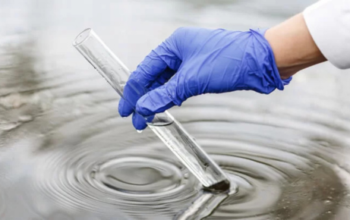
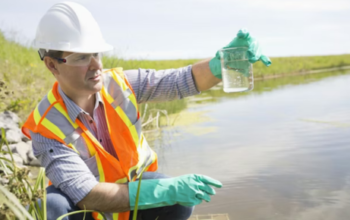
A professional water test is the best place to start. It reveals hardness levels, mineral content, and potential impurities. From there, you can decide whether softening, filtration, or a combination makes sense for your household.
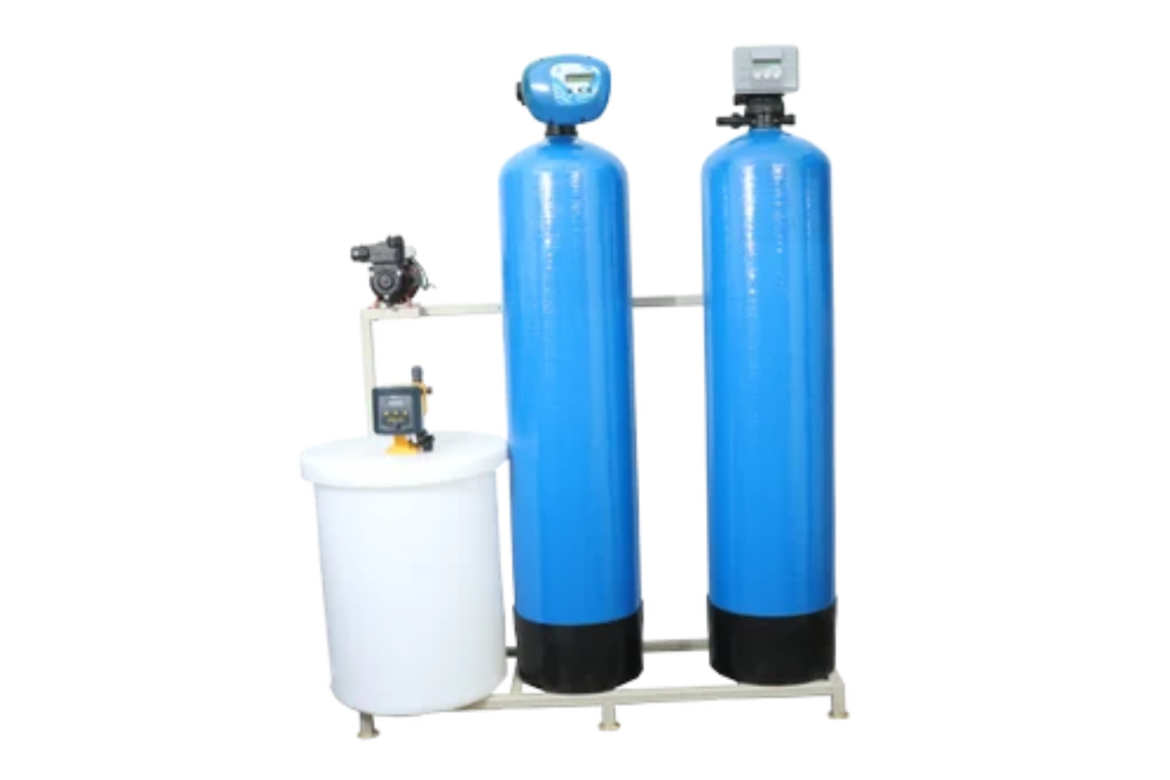
Modern systems are more efficient than older models, often regenerating based on actual usage rather than fixed timers. Maintenance typically involves periodic salt refills or filter changes — manageable tasks in exchange for long-term benefits.
The Emotional Component
There’s something quietly reassuring about knowing your water is working for you instead of against you.
When you turn on the tap and fill a glass, you don’t hesitate. When you step into the shower, you don’t brace for dry skin. When your dishwasher runs, you’re confident it’s not slowly accumulating scale inside.
We invest in air purifiers for cleaner breathing. We choose better mattresses for deeper sleep. Water deserves the same level of thought.
A Subtle Upgrade With Lasting Results
Improving water quality isn’t about chasing trends. It’s about recognizing that something so fundamental deserves attention.
Water touches nearly every aspect of your home. It influences comfort, efficiency, maintenance, and even taste. Addressing it doesn’t require a complete overhaul — just a thoughtful evaluation and the right solution for your situation.
If you’ve noticed the signs — persistent scale, dry skin, frequent appliance issues — it might be time to look closer.
Because sometimes, the most meaningful home improvements are the ones you don’t see right away. They’re felt gradually, in smoother showers, clearer glasses, and appliances that quietly keep working year after year.
And when that happens, you’ll likely wonder why you didn’t make the change sooner.