There’s a strange kind of comfort in not thinking about certain parts of your home. You flip a switch, and the stove lights. You flush a toilet, and everything disappears as it should. Water drains, heat flows, life moves along without interruption.
It’s easy to assume that these systems simply work forever.
But beneath your floors and outside your walls lies an intricate network of pipes carrying gas and wastewater — systems that quietly support your daily life. And when something goes wrong with them, it’s rarely subtle.
Strange odors, slow drains, sudden changes in utility bills — these small warning signs can signal deeper issues that require attention long before they turn into emergencies.
Understanding how these hidden systems function, and how modern repair methods work, can help homeowners protect both safety and peace of mind.
Why Underground Infrastructure Is Often Overlooked
Most homeowners focus their maintenance efforts on visible areas — appliances, fixtures, and interior spaces.
But sewer and gas lines remain out of sight, which makes them easy to forget.
These systems endure constant pressure, environmental exposure, and natural wear over time. Soil movement, corrosion, and aging materials can all contribute to gradual deterioration.
Because problems develop slowly, homeowners often notice symptoms only after damage has progressed significantly.
Regular inspection and maintenance help prevent this delayed discovery.
The Importance of Professional System Monitoring
Gas and sewer lines require specialized care because they involve both safety risks and environmental concerns.
Professional sewer & gas line services provide comprehensive inspections that evaluate system integrity, identify potential hazards, and ensure compliance with safety standards.
Technicians use specialized equipment to detect hidden problems without unnecessary excavation.
Routine monitoring helps identify issues early, reducing repair costs and minimizing disruption to property.
Recognizing the Warning Signs of Gas Issues
Gas line problems can be particularly dangerous because they are often invisible.
Unlike water leaks, which leave visible signs, gas leaks may only produce subtle symptoms.
Homeowners might notice a faint sulfur-like smell, hear a hissing sound near appliances, or observe unexpectedly high gas bills.
Professional gas leak detection tools use advanced sensors to locate leaks accurately, ensuring prompt and safe repairs.
Early detection plays a critical role in preventing serious safety hazards.
How Sewer Problems Develop Gradually
Sewer line issues often start quietly.
Grease, debris, and mineral buildup can accumulate inside pipes over time, restricting water flow.
Tree roots are another common cause of sewer damage. Roots naturally seek moisture, and even small cracks in pipes can allow them to penetrate and expand.
These problems may initially cause slow drainage or occasional odors.
Without intervention, however, they can escalate into major blockages or pipe collapses.
Understanding these gradual developments helps homeowners take proactive action.
The Evolution of Modern Repair Techniques
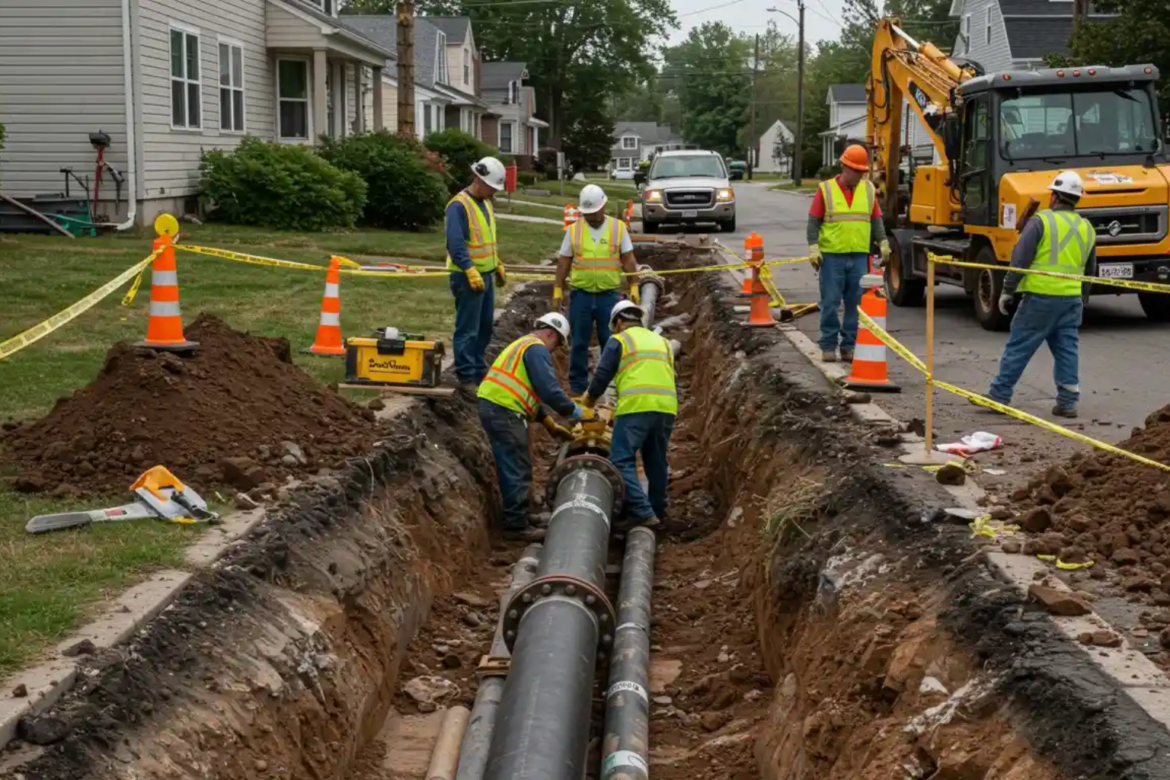
Traditionally, repairing underground sewer lines required extensive excavation.
Yards, driveways, and landscaping often had to be dug up to access damaged pipes.
Today, advancements in technology have introduced more efficient solutions.
Trenchless sewer repairs allow technicians to fix or replace pipes through small access points, significantly reducing property disruption.
These methods save time, preserve landscaping, and often lower overall repair costs.
Why Early Intervention Saves Money
One of the biggest advantages of regular system inspections is early problem detection.
Minor issues, such as small leaks or partial blockages, can be addressed quickly and affordably.
When left unresolved, however, these problems can cause structural damage, environmental contamination, and extensive repair expenses.
Proactive maintenance helps homeowners avoid unexpected financial burdens.
The Emotional Impact of Hidden Infrastructure Failures
Beyond practical concerns, sewer and gas line problems often create emotional stress.
Safety risks associated with gas leaks can cause anxiety, while sewer issues can disrupt daily routines and affect household hygiene.
Having access to reliable professional services provides reassurance during these challenging situations.
Preparedness helps transform emergencies into manageable events.
How Technology Improves Repair Accuracy
Modern diagnostic tools have significantly improved the accuracy of system evaluations.
Camera inspections allow technicians to view pipe interiors in real time, identifying cracks, corrosion, and blockages precisely.
Advanced sensors detect gas leaks quickly, ensuring safe repairs.
These technologies reduce guesswork and allow for targeted solutions, minimizing unnecessary work.
Protecting Property Value Through System Maintenance
Maintaining sewer and gas lines is not just about immediate safety — it also affects long-term property value.
Undetected leaks or infrastructure damage can compromise foundations and reduce resale value.
Regular inspections and timely repairs demonstrate responsible homeownership, providing confidence to future buyers.
Investing in maintenance helps preserve both structural integrity and market appeal.
Why Preventative Care Is Essential
Preventative maintenance remains the most effective way to protect underground systems.
Scheduling routine inspections allows professionals to identify potential risks before they escalate.
Simple habits, such as monitoring utility bills and paying attention to unusual odors or drainage changes, can also help homeowners detect early warning signs.
Combining vigilance with professional expertise ensures reliable system performance.
The Bigger Picture: Infrastructure as the Foundation of Daily Life
Gas and sewer lines may remain hidden from view, but they play a vital role in supporting modern living.
They ensure sanitation, energy supply, and environmental safety.
When functioning properly, they operate quietly in the background.
When problems arise, their importance becomes immediately clear.
Understanding their role encourages homeowners to prioritize maintenance and proactive care.
The Bottom Line: Stay Aware of What Lies Beneath
Underground infrastructure rarely announces problems loudly.
Instead, it offers subtle clues before serious issues develop.
By recognizing these signs, scheduling regular inspections, and utilizing modern repair technologies, homeowners can protect both safety and property value.