
There’s something deeply comforting about turning on a tap and knowing clean water will flow. No second-guessing, no hesitation—just trust in an invisible system that supports our daily lives. But behind every drop is a world of science, systems, and sustainability choices that most of us never see.
Let’s peel back the curtain on how today’s water systems are evolving—not just to serve us better, but to safeguard the planet, win trust, and keep everything flowing for generations to come.
Water Isn’t Just Water Anymore
Think about this for a second: the same water that flows through your kitchen tap may have once coursed through rivers, lakes, and maybe even someone else’s plumbing. That’s how the cycle works. And yet, we expect it to arrive pure, safe, and ready to drink. No questions asked.
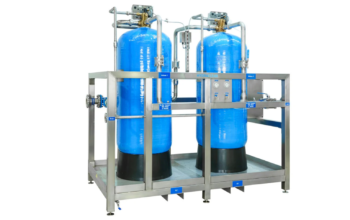
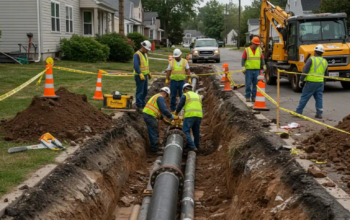
Modern water systems have come a long way to meet those expectations. They’re no longer just about pumps and pipes. Today’s infrastructure involves smart sensors, remote monitoring, real-time data analytics, and precision filtration. It’s engineering meets innovation, all to ensure that every ounce you consume is trustworthy.
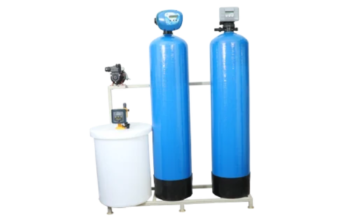
Whether we’re talking about residential filtration setups or large-scale municipal networks, the aim is the same: deliver clean water efficiently and responsibly. The best part? These solutions aren’t just for big cities anymore. Even small rural homes and off-grid cabins can access state-of-the-art systems that once felt out of reach.
Why Sustainability Can’t Be an Afterthought
If the 21st century has taught us anything, it’s this: we can’t just solve problems for today and leave tomorrow hanging in the balance.
This is where sustainable water treatment comes in. It’s not a buzzword. It’s a philosophy, a responsibility, and, increasingly, a necessity.
Old-school treatment methods often relied on harsh chemicals, energy-heavy filtration, and wasteful discharge. Sure, they worked—but at what cost? Today’s methods are greener, smarter, and more intentional. Think membrane bioreactors, UV disinfection, rainwater harvesting, and systems designed to minimize waste and reuse as much as possible.
These aren’t fringe technologies anymore—they’re leading the charge in places where droughts are common, resources are scarce, or environmental ethics matter. And let’s be real—they should matter everywhere.
When a treatment plant recycles greywater into something usable, or a household system reclaims rain for gardening and toilets, it’s not just a technical win—it’s a win for the entire planet.
Trust Is Earned Drop by Drop
Whether you’re a homeowner investing in a high-efficiency filter, or a business contracting a water management company, there’s one metric that matters more than any other: trust.
And trust? It’s built on customer satisfaction, not just specs and sales pitches.
In this industry, it’s not enough for a company to say, “We filter 99.9% of contaminants.” Customers want proof. They want reviews. They want someone to pick up the phone when there’s an issue or a follow-up question. They want transparency, education, and guidance that doesn’t sound like a sales script.
So, companies that are thriving in this space? They’re the ones listening. They’re the ones following up after the install. They’re making sure their clients know how to maintain their filters, when to call for service, and what to expect during a power outage or supply chain hiccup.
In short, they care. And that makes all the difference.
Homeowners Are Becoming Water Experts (Sort Of)
It’s a wild time to be a homeowner. With one YouTube video and a bit of confidence, you can install a reverse osmosis filter under your sink, program a smart irrigation controller for your lawn, and calculate your monthly water usage down to the gallon.
That’s not just tech. That’s empowerment.
Water literacy is rising. People know what TDS (Total Dissolved Solids) means. They’ve heard of PFAS chemicals and are asking questions their parents never thought to ask. It’s changing the game—and it’s pushing companies to be more accountable, more educational, and more transparent.
And let’s be honest, this is a good thing. A homeowner who understands their water system is a lot more likely to maintain it properly, report issues early, and upgrade when necessary.
Where Innovation Meets Everyday Life
Here’s something refreshing: the future of water isn’t just hiding in labs and government facilities. It’s showing up in our homes, our workplaces, even in schools.
From self-cleaning filters to AI-powered leak detectors, the tech is evolving fast. And the best part? It doesn’t require a PhD to use. User-friendly design is finally catching up with innovation, making it easier than ever for everyday people to interact with complex water tech.
Smart fridges can monitor filter status. Whole-home systems can detect unusual water usage patterns and shut off valves before flooding occurs. Some companies even offer app-connected softeners that let you monitor salt levels and flow rates from your phone.
This isn’t science fiction—it’s now.
Not Just an Environmental Issue—A Human One
Clean water isn’t a luxury. It’s a human right. And yet, access remains uneven. In some parts of the world, families walk miles for it. In others, it’s wasted by the gallon without a second thought.
That stark contrast underscores a deeper truth: water conversations must include equity. They must account for affordability, access, and education—not just efficiency and profit.
Many non-profits and companies are stepping up, offering subsidized systems, community solutions, and donations for those in need. It’s a small start, but an essential one.
Because at the end of the day, it’s not just about saving water—it’s about respecting life.
Closing Thoughts: Water Is Personal
If there’s one takeaway from all this, it’s that water isn’t some distant utility we can afford to ignore. It’s personal. It’s emotional. It’s foundational.
Whether you’re a homeowner trying to choose the right filter, a parent worried about lead in school fountains, or a business owner monitoring usage to cut costs, your relationship with water matters. It reflects your values, your priorities, and your willingness to think ahead.
So the next time you pour a glass, water your plants, or hop in the shower, give a quiet nod to the invisible systems behind the scenes—and the people working to keep them better, smarter, and more sustainable every day.