
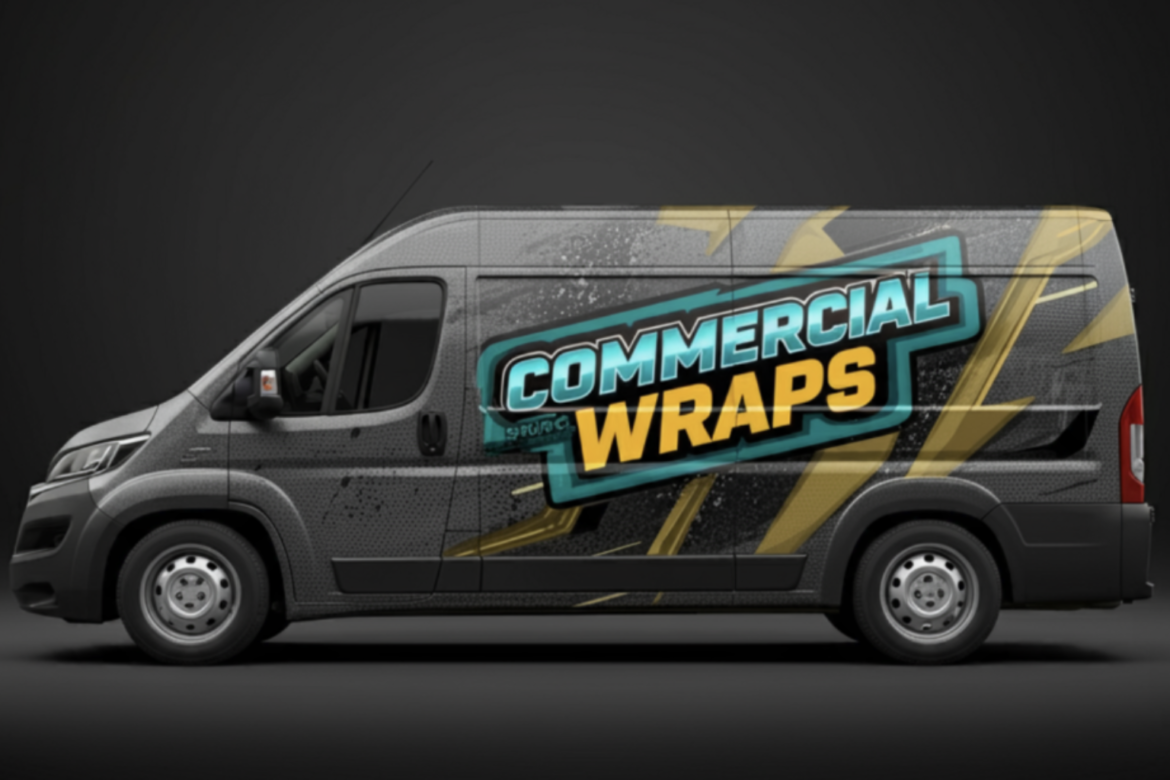
There’s something almost magnetic about a well-designed vehicle on the road. You might not realize it at first, but your eyes linger. A bold logo, a clean layout, colors that pop just enough without shouting. It’s not accidental. It’s strategy wrapped in style.
Over the years, I’ve watched businesses shift their marketing budgets in surprising ways. Billboards still exist. Digital ads dominate screens. But increasingly, companies are investing in their own vehicles — turning everyday transportation into rolling brand statements.
That’s where thoughtful automotive graphics come into play.
More Than Just Stickers on a Van
Let’s clear something up right away: automotive graphics aren’t just decals slapped onto metal. When done properly, they’re a visual extension of your brand identity.
Every curve of the vehicle matters. Every panel line influences placement. Designers don’t just think about how something looks parked — they think about how it appears at 40 miles per hour, in traffic, from across an intersection.
A poorly designed graphic can clutter a vehicle and confuse viewers. A well-executed one communicates instantly. Who you are. What you do. How to contact you.
I once noticed a small plumbing company whose vans featured a simple, high-contrast design — no excessive text, just a clear logo and bold phone number. Months later, I still remembered it. That’s the power of clarity.
The Strength of Consistency Across a Fleet
Now imagine not one vehicle, but ten. Or twenty.
That’s where fleet branding becomes transformative. When multiple vehicles carry the same visual identity, something subtle but powerful happens: repetition builds recognition.
You see the same color scheme in different neighborhoods. The same logo in different parking lots. Over time, familiarity turns into trust.
Fleet branding isn’t about flashy design — it’s about cohesion. Uniform placement of logos. Consistent typography. Harmonized color palettes.
And it goes beyond aesthetics. A cohesive fleet signals organization and professionalism. When a branded vehicle pulls up to a job site, it reinforces credibility before a single word is spoken.
Design That Works in Motion
One of the most overlooked aspects of vehicle graphics is movement.
Unlike static signs, vehicles are constantly in motion. Graphics must be legible at a glance. Contact details should be bold enough to read from another car at a stoplight. Complex images can get lost if they’re too intricate.
That’s why experienced designers focus on hierarchy — what should be seen first, second, third. The human eye processes information quickly, especially in traffic.
Good design respects that reality.
Protecting the Investment
Here’s something people don’t always consider: vehicle graphics aren’t just about marketing. They’re also about protection.
High-quality vinyl can shield paint from minor scratches, UV exposure, and road debris. While it’s not a replacement for protective film, it does add a layer of defense.
That said, maintaining the look requires attention to wrap maintenance.
It’s not complicated, but it matters. Gentle hand washing helps preserve vibrancy. Avoiding harsh chemicals prevents premature fading. Parking in shaded areas can extend lifespan.
When properly maintained, wraps and graphics can last several years without losing their sharp appearance.
Cost-Effective Advertising That Travels
Let’s talk numbers for a moment.
Traditional advertising often requires ongoing investment — monthly payments for digital ads or billboard rentals. Vehicle graphics, on the other hand, are largely a one-time expense.
Once installed, they work daily. Commuting. Parking at client locations. Sitting in traffic.
In many cases, a single branded vehicle can generate thousands of impressions each week. Multiply that by a fleet, and the exposure compounds quickly.
For small and mid-sized businesses especially, it’s one of the most cost-effective marketing tools available.
Personal Vehicles and Identity
It’s not only businesses embracing graphics. Individual car enthusiasts use subtle designs to enhance aesthetics without committing to full wraps.
Racing stripes. Matte accents. Color-blocked panels. Even minimal branding for local clubs or events.
Automotive graphics offer flexibility. They can be removed or updated as tastes evolve.
Choosing the Right Professionals
Quality matters — both in materials and installation.
Cheap vinyl may fade or peel within months. Poor installation leads to bubbles, misalignment, or lifting edges. Investing in experienced professionals ensures longevity and a polished finish.
Look for installers who provide design mockups, explain material options, and offer warranties on their work.
It’s not just about applying vinyl. It’s about craftsmanship.
The Subtle Psychology of Visibility
There’s a psychological element to all of this.
Repeated exposure builds familiarity. Familiarity builds trust. And trust influences decisions.
When someone repeatedly sees your branded vehicles around town, your business becomes part of their mental landscape. So when they need your service, your name feels recognizable.
That’s not coincidence. It’s visibility doing its job.
Final Thoughts: Turning Motion into Opportunity
At its core, automotive graphics transform movement into marketing.
They turn everyday driving into brand exposure. They communicate professionalism without saying a word. They protect while promoting.
Whether you operate a single service van or manage a fleet across multiple locations, the impact can be significant.
And when designed thoughtfully, installed professionally, and maintained properly, vehicle graphics don’t just decorate metal.
They drive your brand forward — literally.