There’s a quiet assumption most of us live with—we turn on the tap, fill a glass, and trust it. No second thought. Water is just… there. Reliable. Ordinary.
Until one day, it doesn’t feel quite so ordinary.
Maybe the taste shifts slightly. Maybe you notice residue where there wasn’t any before. Or maybe nothing obvious changes at all—you just start wondering what’s actually in it.
That’s usually where the journey begins. Not with panic, but with curiosity.
Why Testing Is the Step People Skip (But Shouldn’t)
It’s surprisingly common for people to jump straight into solutions—filters, softeners, fancy systems—without really knowing what problem they’re solving.
And honestly, it makes sense. When something feels off, you want to fix it quickly.
But water is complicated. What works for one home might be completely unnecessary for another. Without understanding your specific situation, you’re basically guessing.
That’s where a water testing guide becomes useful. Not as a rigid set of rules, but as a starting point. It helps you move from assumptions to actual information—what’s present in your water, and what isn’t.
And once you have that clarity, everything else starts to fall into place.
The Different Ways to Check Your Water
Testing your water doesn’t have to be complicated. In fact, it can be surprisingly straightforward.
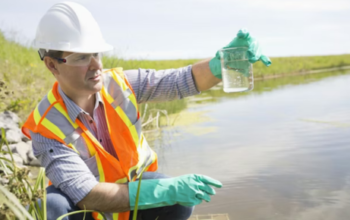
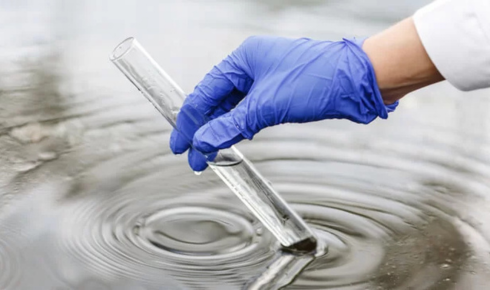
You’ve got a few options. Home test kits are quick and convenient—they give you a general idea of things like pH, hardness, and certain contaminants. Then there are professional lab tests, which go deeper and provide more detailed results.
If you’re unsure where to begin, start simple. Learn how to test water using a basic kit. It’s an easy first step, and it often reveals more than you expect.
And if the results raise questions, you can always go further with more advanced testing.
What You’re Actually Looking For
Here’s where things get interesting. When you test your water, you’re not just checking if it’s “good” or “bad.” You’re identifying specific elements that influence how it behaves.
This process of contaminants identification is what makes testing valuable. You might find minerals that cause hardness, chlorine affecting taste, or trace elements you wouldn’t have noticed otherwise.
Each of these tells part of the story. And together, they give you a clearer picture of what’s happening in your home.
When Results Feel Confusing (And That’s Normal)
Let’s be honest—test results can look a bit overwhelming at first. Numbers, charts, unfamiliar terms… it’s not exactly light reading.
But you don’t need to understand everything in detail.
Focus on the basics. What stands out? Are there levels that seem higher than expected? Are there elements you’ve never heard of before?
If something doesn’t make sense, that’s okay. It’s not about becoming an expert—it’s about gaining enough understanding to make informed decisions.
Connecting the Dots With What You Experience
One of the most useful things you can do is link your test results with what you’ve already noticed.
That metallic taste? It might match elevated mineral levels.
Those white spots on your fixtures? Likely hardness.
That faint smell? Possibly chlorine or sulfur compounds.
When you start connecting these dots, your water stops being a mystery. It becomes something you understand.
And that understanding makes it much easier to decide what to do next.
Why Not Every Issue Needs a Big Solution
Here’s something people don’t always realize—not every water issue requires a major fix.
Sometimes, a small adjustment is enough. A simple filter. A targeted solution. You don’t always need a full system overhaul.
Testing helps you avoid overcorrecting. It keeps things practical, focused, and relevant to your actual needs.
The Subtle Confidence That Comes With Knowing
There’s a certain confidence that comes from understanding your water.
You stop second-guessing it. You stop wondering. Whether you decide to make changes or not, you know where you stand.
And that alone can make a difference.
Because uncertainty tends to linger. Clarity, on the other hand, settles things.
Maintenance and Ongoing Awareness
Testing isn’t just a one-time thing. Water conditions can change over time—seasonally, or as infrastructure ages.
You don’t need to test constantly, but checking in occasionally is a good idea. It keeps you aware of what’s happening and helps you catch any changes early.
Think of it as part of maintaining your home, not a separate task.
A Final Thought, Without Overthinking It
If your water has been on your mind lately, there’s no need to rush into solutions.
Start with understanding.
Test it. Look at the results. Connect them to what you’re experiencing. Then decide what makes sense for your home.