
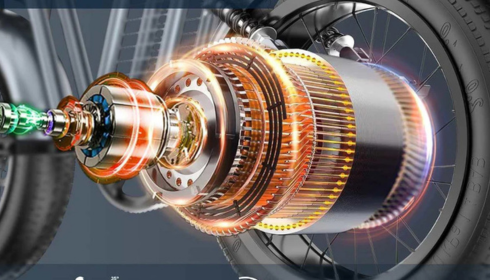
Electric bikes have transformed the way people commute, exercise, and explore. At the center of this innovation is the motor, the component responsible for providing power assistance and making rides smoother and more efficient. Whether you are a daily commuter, a weekend adventurer, or someone looking for an eco-friendly transportation option, understanding how an electric bike motor works can help you make a better purchasing decision.
What Is an Electric Bike Motor?
An electric bike motor is a powered unit that assists riders by converting electrical energy from the battery into mechanical motion. Unlike traditional bicycles that rely entirely on human effort, electric bikes use motors to reduce pedaling strain and improve overall performance.
These motors activate when the rider pedals or uses a throttle, depending on the e-bike model. The result is a more comfortable riding experience, especially when traveling long distances or climbing steep hills.
Types of E-Bike Motors
There are three primary types of motors used in electric bicycles:
Hub Motors
Hub motors are installed in the center of either the front or rear wheel. They are among the most common motor types due to their affordability and simplicity.
Benefits include:
- Lower maintenance requirements
- Smooth and quiet operation
- Cost-effective design
- Suitable for urban commuting
Rear hub motors generally provide better traction and handling compared to front hub motors.
Mid-Drive Motors
Mid-drive motors are positioned near the bike’s crankset and directly power the drivetrain. These motors offer excellent balance and efficiency.
Advantages include:
- Better hill-climbing performance
- Improved weight distribution
- Greater energy efficiency
- Enhanced riding control
Mid-drive systems are often preferred by mountain bikers and long-distance riders.
Friction Drive Motors
Although less common today, friction drive motors operate by pressing a roller against the bicycle tire. They are lightweight and easy to install but generally offer lower efficiency than hub or mid-drive systems.
Key Features to Consider
When evaluating an ebike motor, several factors should be taken into account.
Motor Power
Motor power is measured in watts (W). Common ratings include:
- 250W for city commuting
- 500W for mixed terrain
- 750W and above for high-performance riding
Higher wattage generally means stronger acceleration and better hill-climbing capabilities.
Torque Output
Torque determines how much force the motor can generate. Bikes with higher torque perform better on steep inclines and rough terrain.
Efficiency
An efficient motor consumes less battery power while delivering consistent performance. This extends riding range and reduces charging frequency.
Noise Level
Modern e-bike motors are designed to operate quietly. Riders who prioritize comfort often choose systems known for minimal noise output.
Benefits of Electric Bike Motors
Easier Commuting
Motor assistance reduces physical effort, making daily travel less tiring and more enjoyable.
Eco-Friendly Transportation
Electric bikes produce significantly fewer emissions than cars and motorcycles, helping reduce environmental impact.
Increased Riding Range
With motor support, riders can travel farther without experiencing excessive fatigue.
Better Accessibility
Electric bikes make cycling accessible to people of different ages and fitness levels, encouraging a healthier lifestyle.
Choosing the Right Motor for Your Needs
The ideal motor depends on how and where you plan to ride.
For city commuting, a 250W or 500W hub motor may be sufficient. Riders tackling hilly routes or off-road trails often benefit from mid-drive systems that provide greater torque and control.
Battery compatibility should also be considered. A high-quality battery paired with an efficient motor delivers the best balance of power and range.
Maintenance Tips for Long-Term Performance
Proper maintenance can significantly extend motor lifespan.
Some useful practices include:
- Keeping electrical connections clean
- Avoiding excessive exposure to water
- Regularly inspecting wiring and connectors
- Following manufacturer service recommendations
- Maintaining proper tire pressure to reduce motor strain
Routine care helps ensure reliable performance for years to come.
Conclusion
Electric bike motors are the driving force behind the growing popularity of e-bikes worldwide. From efficient city commuting to adventurous trail riding, the right motor can dramatically enhance the cycling experience. By understanding motor types, power ratings, torque, and maintenance requirements, riders can confidently choose a system that meets their needs. As e-bike technology continues to evolve, motors are becoming more powerful, efficient, and reliable, making electric bicycles an increasingly attractive transportation solution for the future.