
There’s a certain kind of relief that comes from stepping indoors on a sweltering summer afternoon and feeling cool air wrap around you like a quiet promise. Or walking into your living room in January and noticing that gentle warmth—steady, not stuffy—just right. We don’t always think about the systems that make those moments possible. But when they fail, suddenly they’re all we can think about.
Comfort, especially at home, isn’t accidental. It’s built. Maintained. Adjusted. Sometimes wrestled into submission during heatwaves or cold snaps. And in places where the seasons don’t play around, choosing the right professionals makes all the difference. That’s where trusted providers like river valley air conditioning quietly earn their reputation—showing up when systems stutter, when thermostats lie, when airflow feels… off.
The truth is, heating and cooling isn’t just about temperature. It’s about balance. About air that doesn’t feel heavy. About sleeping through the night without kicking off the covers or piling them back on. It’s about that subtle hum in the background that says, “Everything’s working.”
It’s More Than Just Cold Air
A lot of homeowners use the term HVAC without really knowing what’s behind it. It stands for heating, ventilation, and air conditioning—and each piece matters more than people realize. Proper heating ventilating systems do more than warm up your house in winter. They manage airflow, filter out dust and allergens, and keep humidity from creeping into corners where it doesn’t belong.
Ventilation, in particular, is underrated. You don’t see it. You don’t hear it much. But it’s doing the quiet work of circulating air, preventing stale pockets, and supporting indoor air quality. If your home ever smells musty for no clear reason, or if one room feels dramatically different from the next, chances are the ventilation system needs attention.
And that’s the thing—these systems are interconnected. You can’t neglect one without affecting the others. A clogged filter doesn’t just reduce airflow; it strains the whole system. Over time, that strain turns into higher energy bills, uneven temperatures, and repairs that could’ve been avoided.
The Real Cost of Waiting Too Long
Most of us are guilty of this: we hear a strange rattle, notice weaker airflow, or sense that the house isn’t cooling as fast as it used to—but we ignore it. Life gets busy. It’s not urgent, right?
Until it is.
Emergency repairs often cost significantly more than routine maintenance. Not just in dollars, but in inconvenience. No one wants to scramble for service during the hottest week of July. A small issue caught early—a refrigerant imbalance, a worn belt, a sensor misfire—can prevent a complete breakdown later.
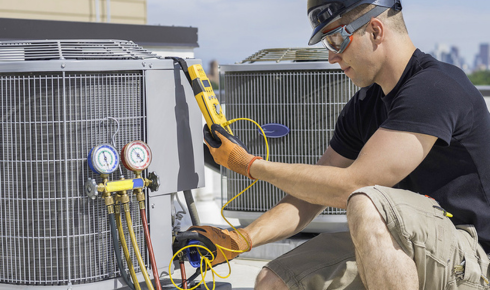
Routine inspections might not feel glamorous, but they work. A technician checks electrical connections, tests thermostat calibration, inspects coils, and ensures refrigerant levels are where they should be. It’s preventive care, like an annual physical for your home.
And honestly, once you’ve experienced the difference between a system that’s “okay” and one that’s running optimally, you won’t go back.
Choosing the Right System for Your Space
Not every home needs the same setup. That’s something people often overlook when replacing or upgrading their air conditioning unit. Square footage matters, of course. But so does insulation, ceiling height, window placement, and even how much direct sunlight your home receives.
An oversized unit might cool quickly, but it can cycle off too soon, leaving humidity behind. An undersized system, on the other hand, will run constantly, wearing itself out while never quite reaching your desired temperature. There’s a science to sizing, and it’s worth getting right.
Modern systems also offer features that weren’t common a decade ago—smart thermostats, zoning options, high-efficiency ratings that genuinely lower monthly utility bills. Some homeowners hesitate at the upfront investment, but energy-efficient upgrades often pay for themselves over time.
And let’s be honest—there’s something satisfying about seeing a lower electricity bill in the middle of summer.
Indoor Air Quality: The Overlooked Factor
Temperature control is only part of the equation. Clean air is just as important, especially if anyone in your household struggles with allergies, asthma, or general respiratory issues.
Advanced filtration systems can capture fine particles—dust, pollen, even certain bacteria. Humidity control helps prevent mold growth and keeps the air from feeling sticky or overly dry. Balanced airflow ensures that every room gets its share of comfort, not just the one closest to the vent.
It’s subtle, but you feel it. Fewer headaches. Better sleep. That sense that the air isn’t “heavy.”
Sometimes homeowners don’t realize how much their indoor environment affects their mood and energy levels until improvements are made. Then it becomes obvious.
Maintenance Isn’t Optional—It’s Smart
Twice-yearly service appointments—typically before summer and winter—keep systems running efficiently. Filters should be replaced regularly. Outdoor units need to stay clear of debris. Ductwork should be inspected for leaks that quietly waste energy.
These small tasks add up. They protect your investment and extend the lifespan of your equipment. Most systems, when properly maintained, can last 15 to 20 years. Neglect them, and that number shrinks quickly.
There’s also peace of mind in knowing your system won’t fail when you need it most. That confidence matters.
The Comfort You Don’t Think About—Until You Do
In the end, heating and cooling systems are one of those behind-the-scenes essentials. When they’re working well, you barely notice them. But they shape your daily life more than you realize.
They influence how well you sleep. How productive you are at home. How welcoming your space feels to guests. They create an environment where you can focus on living, not adjusting the thermostat every hour.
Working with experienced professionals ensures that comfort isn’t left to chance. From installation to routine maintenance to emergency repairs, the right team doesn’t just fix problems—they prevent them.
And that’s really what it comes down to. Not flashy features or technical jargon. Just consistent, reliable comfort. The kind that lets you walk through your front door, take a deep breath, and think, “Yeah. This feels right.”