There’s something meditative about watching fish lazily glide through still pond water, lilies blooming in the sun, and dragonflies skimming the surface. But if you’ve owned a pond longer than a season or two, you’ve probably discovered that “peaceful pond life” doesn’t always come easy. Murky water, algae invasions, and that suspicious smell? Yeah, those aren’t part of the backyard Zen dream.
Let’s get real—your pond needs a little help staying clean. Luckily, modern filtration options are more efficient (and less frustrating) than ever. Whether you’re just setting up or trying to revive your once-sparkling oasis, this post will gently walk you through one unsung hero of pond maintenance: the filter. No pressure, no jargon overload—just solid, real-life advice.
The Lowdown on Filtration (Without the Techy Talk)
Let’s start simple. A pond filter’s main job? Keep things clean—physically and biologically. It traps gunk like leaves, fish waste, and algae while housing beneficial bacteria that break down ammonia and other nasties that could harm your fish.
But here’s the catch: not all filters are made equal, and what works for one pond might not do squat for another. Your setup, pond size, and even the kind of fish you have play a big role in choosing the right system.
And if you’re someone who doesn’t want to mess with hoses, electric panels, and heavy-duty installation? You might fall in love with a floating pond filter. These nifty devices float on the surface, pulling in debris without complicated plumbing. They’re especially handy for smaller ponds or as a supplemental filter during peak summer months when algae parties tend to rage out of control.
Why Filters Fail (and How to Avoid the Mess)
Ever notice your water turning green even though your filter’s been humming away for months? That’s probably a sign it’s not doing its job anymore.
Here’s why filters usually flop:
- Clogged media – They can only hold so much gunk before they start spewing it back.
- Wrong size – A tiny filter in a big pond is like using a toothbrush to clean your kitchen floor.
- Old tech – Filtration systems do age out. If yours is over 3–5 years old and it’s not keeping up, it may be time to retire it.
When that happens, a pond filter replacement is more than just a good idea—it’s essential. Don’t wait until your fish start gasping or your pond looks like a swamp. Replacing old filters can immediately improve water clarity, oxygen levels, and fish health.
And no, it doesn’t mean shelling out hundreds of dollars. Replacement units and parts come in all shapes, sizes, and budgets. Often, just swapping out the filter media—like the foam or bio-balls inside—can breathe new life into your setup.
But Where Do You Even Buy These Things?
If you’re the kind of person who’d rather see something in person before buying (who isn’t?), you’ve probably Googled pond filter near me once or twice. And let’s be honest, local garden centers and hardware stores often carry the basics—but they’re not always stocked with the specific brand or size you need.
Here’s a little tip: start online to compare options, then call a few nearby stores. Some will special-order filters if you ask nicely (and sometimes even price-match). It’s also a great way to support local businesses while still getting what works best for your pond.
And if you’re ever in doubt? Bring a picture of your pond setup. Trust me, it helps more than you’d think when explaining to a store clerk what exactly you’re dealing with.
What About DIY Filter Hacks?
Yes, DIY pond filters are all over YouTube, and some of them are surprisingly effective. I’ve seen people convert trash cans into multi-stage filtration beasts using lava rock, sponges, and a whole lot of ingenuity.
If you love tinkering and don’t mind some trial and error, go for it. But be warned—it’s not always cheaper, and it rarely looks great. Plus, if you’re short on time (or patience), it may be wiser to invest in something plug-and-play.
Final Thoughts (Because You’ve Got Fish to Watch)
Your pond doesn’t need to be a full-time job. But it does need consistency, and that’s where your filter—whether floating, submerged, or external—steps in to help.
So here’s the takeaway: don’t wait until your pond smells weird or looks like pea soup. Get ahead of the game. A good filter saves time, protects your fish, and lets you enjoy the reason you built a pond in the first place: peace.
Start by checking your current setup. Is it working? Do you even know what kind of filter you have? No shame if you don’t—just take five minutes this weekend and give it a once-over.
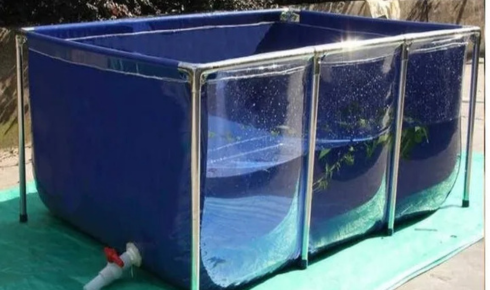
If it’s outdated or not doing the job, explore your replacement options. Whether you grab a new floating unit, upgrade your canister filter, or build your own setup from a plastic bin, there’s a solution out there that won’t overwhelm your weekend or your wallet.
Your fish will thank you. So will your nose.