
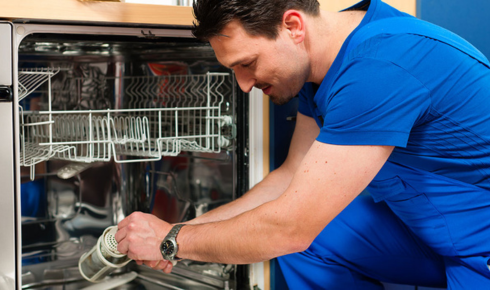
It always starts the same way — a quiet hum from the kitchen, maybe a subtle gurgle, and then… nothing. Or worse, a pool of soapy water that wasn’t there before. Suddenly, your trusty dishwasher, once the silent hero of your post-dinner routine, has joined the ranks of unpredictable appliances. And just like that, you’re back to scrubbing forks by hand.
Dishwasher problems hit differently. Unlike ovens or stoves, which give you visible, tangible signs of struggle (a burner that won’t light, food that cooks unevenly), dishwashers sneak up on you. You don’t always know something’s wrong until you’re unloading dirty dishes that were supposed to be clean.
Let’s slow down and talk through it all — not like a manual would, but like two tired people standing over a sink full of suds asking, “Now what?”
The Everyday Luxury We All Take for Granted
Think about it. When was the last time you really appreciated your dishwasher? Not just noticed it worked, but truly thanked it for saving you 30 minutes of standing over a sink?
We don’t give these machines enough credit. They work behind the scenes — quietly, efficiently, and often late at night while we’re asleep. But just like anything mechanical, they wear down. And that’s where a thoughtful approach to dishwasher repair comes into play.
It’s not always about a big failure. Sometimes it’s the slow creep of underperformance: dishes that feel a little greasy, that weird film on your glasses, or a cycle that takes longer than it used to. These are all red flags waving softly in the background — easy to ignore until they’re not.
“Why Is There Water in the Bottom?”
It’s one of the most common complaints, and it always catches people off guard. You open the door expecting steam and sparkle, but instead, there’s a swamp at the bottom. Gross.
If your dishwasher not draining, the reasons can range from mild to maddening. Sometimes, it’s something simple like food debris clogging the filter. Other times, the drain hose is kinked or the air gap is blocked. And on rare occasions, it could be a failing drain pump or check valve.
This isn’t just a cosmetic issue. Water that doesn’t drain properly becomes stagnant fast, and bacteria love nothing more than warm, leftover dishwater. If this problem pops up more than once, don’t just reset your breaker and hope for the best. It needs attention.
When Water Ends Up Where It Shouldn’t Be
If there’s one thing that gets a homeowner’s heart racing (and not in a good way), it’s a puddle creeping out from under the dishwasher.
Dishwasher leak repair is a game of detective work. You’ve got seals, hoses, valves, a float switch, a door gasket — all of them potential suspects. And sometimes, ironically, using the wrong kind of soap is the real culprit.
Leaking isn’t just an appliance problem. It’s a flooring problem. A cabinetry problem. A mold risk. That’s why catching it early — and not just throwing a towel down and pretending it didn’t happen — matters.
The Role of Maintenance in Avoiding the Big Mess
Nobody really wants to “maintain” their dishwasher. It doesn’t have a gas line. It doesn’t get dirty on the outside. And most of the time, it smells like lemon detergent, so what’s the harm?
But here’s the thing: small, consistent upkeep can save you hundreds in repairs down the line. That means:
- Cleaning the filter regularly
- Running a hot vinegar cycle once a month
- Checking for food buildup in the spray arms
- Inspecting the door gasket for wear or cracks
It’s like brushing your teeth — annoying at times, but totally worth it in the long run.
When It’s Time to Call In the Pros
There’s no badge of honor for wrestling with a dishwasher on your own — especially not when there are electric components and delicate parts involved. It’s not cowardly to admit you don’t know where the float switch is or how to test continuity on a solenoid. That’s what technicians are for.
The peace of mind that comes from knowing the issue was diagnosed properly — and fixed right the first time — is worth every penny. A good repair is an investment in keeping your routine running without skipping a beat.
Is It Time for a New One?
Let’s be real: not every dishwasher is worth saving. If yours is over 10 years old, doesn’t meet current energy standards, or has had multiple repairs already, it might be time to start fresh.
Newer models come with better water efficiency, quieter motors, and smarter sensors. Sometimes, the upgrade isn’t about bells and whistles — it’s about trusting the machine to do its job again.
That said, don’t rush to replace. A solid diagnosis might reveal that all you need is a $50 part, not a $700 new appliance.
Final Thoughts: The Quiet MVP of the Kitchen
Dishwashers aren’t glamorous. They’re not the showpiece of a kitchen remodel or the subject of celebrity endorsements. But they carry more of your daily load than you probably realize.
When they break, it feels bigger than a small appliance problem. It disrupts your flow, your habits, your evenings. And that’s why taking care of it — noticing the early signs, handling repairs smartly, and knowing when to bring in help — makes a real difference.
So the next time your dishwasher finishes a perfect cycle, maybe give it a little nod of thanks. Because in the background of every clean plate and polished glass, it’s been doing its job, quietly and reliably. Until it doesn’t. And then you’ll know what to do.