
You know those moments when the electric bill arrives and you let out a long, defeated sigh? Or when the AC blasts so hard in summer that you feel like your house is eating money? We’ve all been there. The endless loop of heating and cooling our homes isn’t just expensive—it’s often inefficient and not exactly eco-friendly. But here’s the good news: there’s a smarter way to heat and cool your space, and it’s been under your feet this whole time.
Welcome to the world of geothermal energy.
The Quiet Power Beneath Us
Let’s set the scene. A few feet below the surface of the earth, the temperature stays surprisingly consistent year-round. Whether it’s the biting chill of January or the sweaty peak of August, the ground keeps its cool (or warmth), maintaining a temperature somewhere between 45°F and 75°F depending on location.
That’s geothermal energy in a nutshell. And with a properly designed geothermal system installation, you can harness this steady underground temperature to heat your home in winter and cool it in summer. It’s not magic—it’s science and smart engineering.
Why More Homeowners Are Going Geothermal
We’re in an era where sustainability is no longer just a buzzword. It’s a lifestyle choice. Families are looking to cut costs, reduce emissions, and make homes more energy-resilient. Geothermal ticks all those boxes. Here’s how:
- Low Operating Costs: After the initial setup (which we’ll talk about), the cost to run a geothermal system is dramatically lower than conventional systems.
- Long Lifespan: While a traditional furnace might last 10-15 years, the underground pipes of a geothermal system can last up to 50 years. That’s not just longevity—it’s peace of mind.
- Minimal Maintenance: These systems have fewer moving parts, meaning fewer things can go wrong.
- Eco-Friendliness: No burning of fossil fuels. No direct emissions. Just clean, renewable energy from the earth.
The Installation: What It Really Involves
Okay, let’s not sugarcoat this—installing a geothermal system isn’t a weekend DIY project. It’s an investment. One that involves some digging (literally) and smart planning.
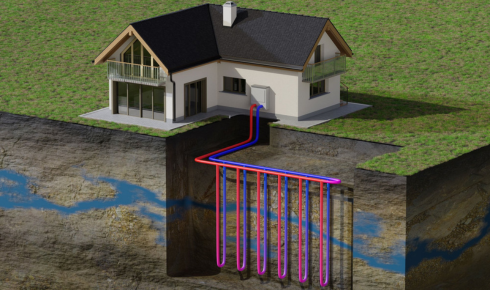
There are typically two parts to a geothermal system installation: the ground loop and the heat pump.
- Ground Loop: These are pipes buried in your yard that circulate a water or antifreeze solution to absorb or disperse heat depending on the season.
- Heat Pump: Installed inside the house, this unit transfers the heat from the loop to your ductwork or radiant floor heating system.
Depending on your yard space and soil conditions, the loop can be laid horizontally (cheaper, but needs more land) or vertically (ideal for smaller properties, but more expensive due to deeper drilling).
Yes, the upfront costs can make people flinch—but many states offer rebates, tax credits, and incentives that soften the blow. And honestly, with utility savings month after month, the system often pays for itself within 5–10 years.
What It Feels Like to Live With Geothermal
Let me paint a picture. Imagine waking up on a snowy morning. The floor is toasty under your feet. There’s no rattling sound from a furnace kicking on. No dry, heated air blasting your face. Just a quiet, consistent warmth throughout the house. That’s what geothermal feels like.
And in the summer? The same system cools your home silently, efficiently, and without over-drying the air like traditional AC systems. There’s a kind of harmony to it—like your house has found its natural rhythm with the earth.
For those curious about geothermal HVAC services, the support network is growing. Many contractors now specialize in both installation and long-term servicing. It’s not some fringe trend anymore. It’s mainstream, and for good reason.
A Real-World Payoff: Numbers That Make Sense
Let’s talk dollars and cents. Suppose you’re paying $200/month on average for heating and cooling. That’s $2,400 a year. A geothermal system can slash those bills by 30–70%, depending on your climate and setup. Even if you save just 50%, that’s $1,200/year back in your pocket.
Now imagine doing that for 25 years (the typical life of the indoor unit), and you’re looking at $30,000 in savings. That’s a car. A home renovation. Several vacations. Suddenly, the initial install cost feels like a no-brainer.
And remember—some areas offer 30% federal tax credits for geothermal installs. That’s real money, not just a promise.
The Environmental Edge
Beyond finances, let’s talk about the planet. Heating and cooling accounts for about half of the average home’s energy use. Swapping out a gas furnace or inefficient AC for energy-efficient geothermal heating is a massive win for carbon reduction.
No more burning fuel. No more depending on volatile energy markets. You’re using what’s already there—in your yard, under your driveway, beneath your garden. And that kind of smart living? It’s contagious. Your neighbors will notice.
Is Geothermal Right for You?
Here’s the honest answer: maybe. It depends on your home, your budget, and your goals.
Got a decent-sized yard? Even better. Planning a new build or major renovation? That’s prime time to consider geothermal. Want long-term savings and low maintenance? You’re the perfect candidate.
But if you’re in a dense urban area with zero yard space, or if you’re moving in a year or two, geothermal might not be the best fit right now. And that’s okay. Sustainability comes in many forms.
Final Thoughts: Digging Deep for a Smarter Future
There’s something quietly beautiful about geothermal systems. They’re not flashy. They don’t scream “look at me.” But they work—efficiently, reliably, and sustainably. They’re the kind of upgrade that doesn’t just improve your home. They change how you think about comfort and cost.
In a world chasing fast fixes and short-term solutions, geothermal asks us to dig a little deeper—literally and figuratively. And in return, it offers decades of savings, stability, and peace of mind.
So maybe it’s time we all looked down… to level up.